In the bustling world of pre-owned luxury, one phrase is repeated in countless listings: “100% Authentic.” Sellers use it with the best intentions, hoping to convey confidence and honesty. They might mention where they bought the item, offer to show a faded receipt, or simply state that they have been collecting for years. While these personal assurances can be comforting, they are ultimately just words. In a market flooded with increasingly sophisticated counterfeits, a seller’s claim is no longer enough to build the solid foundation of trust required for a secure transaction.
The gold standard for verification has shifted. Today, discerning buyers and savvy sellers rely on a more powerful tool: the professional authentication report. This document, issued by an independent, third-party expert, carries a weight that no personal guarantee can match. It transforms a transaction based on hope into one based on proof.
This article explores the fundamental reasons why professional authentication reports are far more trusted than seller claims. We will delve into the concepts of objectivity, expertise, and accountability that separate an expert’s verdict from a seller’s opinion, and show why this distinction is critical for protecting both buyers and sellers.
The Problem with Seller Claims: Subjectivity and Bias
To understand why professional reports are superior, we must first examine the inherent weaknesses of relying solely on a seller’s word. Even when a seller is completely honest, their claims are fraught with potential issues.
1. The Conflict of Interest
The most significant problem is the unavoidable conflict of interest. A seller has a vested financial interest in their item being authentic. Their primary goal is to make a sale. This bias, whether conscious or unconscious, taints their claim. They are not an impartial party in the transaction; they are the direct beneficiary.
A professional authenticator, on the other hand, has only one vested interest: accuracy. Our reputation is built on being correct, time and time again. We gain nothing if a specific item is authentic or counterfeit. Our only job is to deliver the truth. This objectivity is the bedrock of trust.
2. Lack of Specialized Expertise
A seller might be a passionate enthusiast, but passion is not a substitute for professional training. An owner might know their bag inside and out, but they are unlikely to have the encyclopedic knowledge required for forensic authentication.
A professional authenticator’s expertise includes:
- Historical Manufacturing Data: We know which zipper manufacturer a brand used in a specific quarter of a specific year.
- Material Science: We understand the difference in the feel and smell of leathers from different tanneries used by a brand.
- Counterfeit Trend Analysis: We study the latest “super fakes” and know the subtle mistakes their creators are making.
- Technological Knowledge: We are trained to interpret data from microchips and analyze the construction of high-tech security features.
A seller who bought a bag at a boutique five years ago simply does not have this depth of knowledge. They may not even be aware that the “AAA+” counterfeit of their bag now exists and is nearly identical to the untrained eye.
3. The Well-Intentioned but Mistaken Seller
Many sellers who list fakes are not malicious scammers. They are often victims themselves who purchased a counterfeit item believing it was real. They then list the item for sale, genuinely thinking it’s authentic. Their claim of “100% Authentic” is sincere, but it’s also incorrect.
This is a common scenario. A person might receive a bag as a gift or buy it from a consignment store, never questioning its legitimacy. Years later, when they decide to sell it, their personal belief in its authenticity becomes the basis of their listing. A professional authentication report cuts through this chain of misinformation and establishes the item’s true identity, protecting the next buyer in line.
The trust our clients place in our objective expertise is the cornerstone of our business. Our customer Reviews are filled with stories of buyers and sellers who found clarity and security through our unbiased process.
The Pillars of Trust: What Makes a Professional Report So Powerful?
A professional authentication report is more than an opinion; it’s a documented analysis backed by expertise and accountability. It stands on three powerful pillars: Objectivity, Expertise, and Verifiability.
Pillar 1: Unbiased Objectivity
As mentioned, a third-party authenticator has no stake in the outcome of the sale. Our role is that of a neutral referee. This independence is crucial for building trust with a buyer. When a buyer sees a certificate from a respected service like ProAuthenticators, they know the verdict was rendered without bias.
This is particularly important in dispute resolution. Marketplace administrators know that a seller is a biased party. An authentication report from a neutral expert provides the impartial evidence they need to make a fair decision. It moves the conversation from a “he said, she said” argument to a review of expert findings.
Pillar 2: Deep, Forensic Expertise
Professional authenticators are specialists who have spent years, and often decades, studying the products of specific brands. We have handled thousands of authentic and counterfeit items, building a mental and physical library of details that no casual owner could ever accumulate.
Our analysis goes far beyond a quick glance. A typical authentication process involves a multi-point inspection, where we scrutinize:
- Branding and Stamps: The font, depth, spacing, and placement of every heat stamp and engraving.
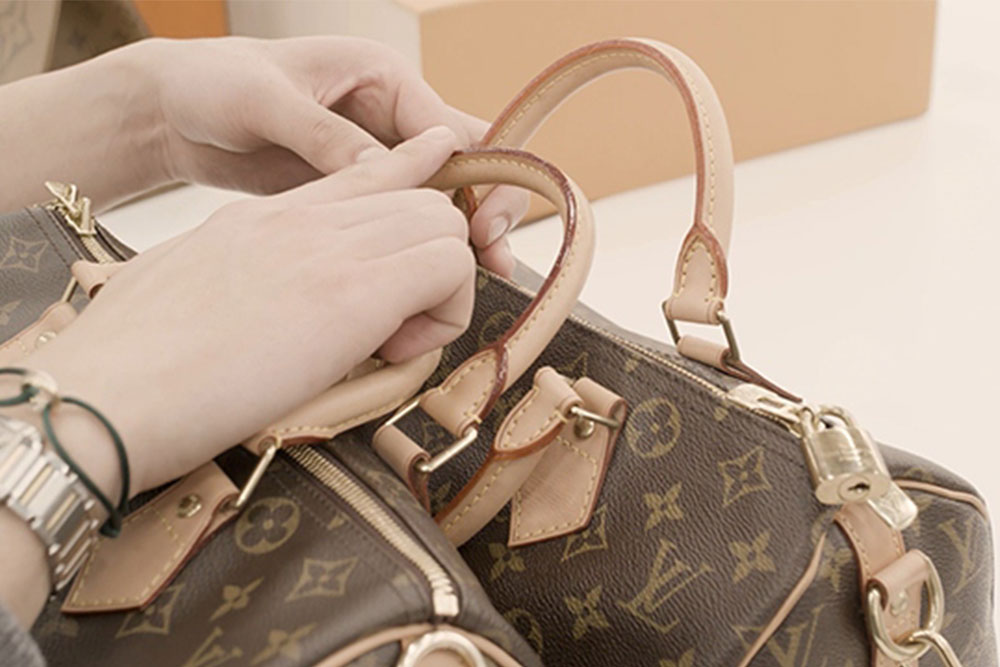
- Hardware: The weight, finish, markings, and mechanics of zippers, clasps, rivets, and screws.
- Materials: The texture, flexibility, and scent of the leather, canvas, or fabric.
- Stitching: The angle, consistency, count per inch, and thread type.
- Construction: How the item is assembled, including the edge glazing and internal structure.
- Codes and Identifiers: The validity and format of date codes, serial numbers, and microchip data.
A seller’s claim is based on ownership; an expert’s report is based on this rigorous, evidence-based methodology.
Pillar 3: Verifiability and Accountability
A professional authentication report is a formal, verifiable document. Certificates we issue come with unique identification numbers that can be traced in our system. This creates a chain of accountability.
If our verdict is ever questioned, we can stand behind it with a detailed record of the analysis we performed. This accountability is something a seller’s personal claim lacks entirely. There is no formal record, no methodology to review, and no professional reputation on the line.
When you invest in a professional report, you’re not just buying an opinion; you’re buying access to this entire system of trust. You can explore the different types of verifiable reports we offer on our Services & Pricing page.
Real-World Scenarios: Where Reports Trump Claims
The theoretical benefits of professional reports become crystal clear when applied to real-world situations that luxury resellers face every day.
Scenario 1: The High-Value Transaction
A seller lists a highly coveted Hermès Birkin bag for $20,000. In the description, they write, “100% authentic, my husband bought it for me at the Paris store.”
- The Problem: A buyer willing to spend five figures on a handbag is not an amateur. They know the stakes. They know the market is plagued by fakes that can fool even experienced collectors. The seller’s story, while possibly true, is unverifiable and does nothing to mitigate the enormous financial risk. The buyer has no way of knowing if the seller is honest, mistaken, or a scammer.
- The Solution: The same seller lists the bag with a detailed authentication report from a recognized expert in Hermès. The report includes annotated photos of the blind stamp, the hardware markings, the stitching, and the artisan’s signature. Now, the buyer is not being asked to trust the seller; they are being asked to trust the documented evidence from an expert. The report provides the proof needed to give the buyer the confidence to complete such a significant purchase.
Scenario 2: The Marketplace Dispute
A buyer purchases a Louis Vuitton bag for $1,500. The seller assured them it was real. Upon arrival, the buyer decides they don’t like it and, seeking an easy way to force a return, opens a “not as described” case, claiming the item is fake.
- The Problem: The seller is now in a difficult position. The platform freezes their money. It is their word against the buyer’s. Without third-party proof, the platform may side with the buyer to minimize its own risk, forcing the seller to accept a return and refund.
- The Solution: If the seller had secured a professional authentication report before listing, their response to the dispute is simple and powerful. They upload the certificate to the case file. The marketplace administrator now has concrete evidence from an impartial expert. This immediately shifts the credibility in the seller’s favor and is often enough to have the fraudulent claim dismissed quickly, releasing the funds and closing the case.
Scenario 3: The Insurance Claim
A collector’s home is burglarized, and their collection of ten luxury handbags is stolen. They file a claim with their insurance company. The collector insists all the bags were authentic and valued at over $40,000.
- The Problem: The insurance adjuster’s job is to validate claims. Without proof, they may question the authenticity and value of the stolen items. They might argue that some bags could have been counterfeits, and therefore the payout should be lower. The collector’s personal claims of authenticity hold little water in a formal claims process.
- The Solution: If the collector had professional authentication reports for each bag in their collection, the situation changes entirely. These reports, especially detailed ones, serve as formal, third-party appraisals of authenticity and condition. They provide the insurance company with the documentation needed to process the claim at full value, without dispute.
The Psychology of Trust in a Digital Age
In online commerce, where you cannot physically touch an item or look the seller in the eye, trust must be built through digital signals. A seller’s text-based claim is a weak signal. A professional authentication report is one of the strongest trust signals available.
It tells a potential buyer several things about the seller:
- They are transparent. They are willing to have their item scrutinized by an expert.
- They are professional. They understand the market and have taken the proper steps to secure their listing.
- They are confident. They have nothing to hide and are sure of their item’s quality and legitimacy.
This psychological impact is immense. It reframes the seller from a random person on the internet to a credible, trustworthy merchant. This can lead to faster sales, fewer questions, and even a higher final sale price, as buyers are willing to pay a premium for certainty.
Conclusion: Elevate Your Credibility Beyond a Simple Claim
While a seller’s personal guarantee of authenticity comes from a good place, it is a relic of a simpler time in the resale market. Today, with counterfeit technology advancing at a startling pace, a seller’s claim is simply not enough. It is an opinion in a world that demands facts. It is a promise in a world that requires proof.
A professional authentication report provides that proof. It is a testament to an item’s legitimacy, born from objectivity, deep expertise, and verifiable accountability. It protects the buyer from fraud, shields the seller from baseless disputes, and brings integrity to the transaction.
By choosing to back your listing with a professional report, you are making a powerful statement. You are telling your customers that you respect their investment and that you are a seller who deals in certainty, not just claims. This is the new standard for trust in the luxury resale market.
Don’t let your sale hinge on a buyer’s willingness to take you at your word. Provide them with the irrefutable proof they deserve. Explore our range of authentication services on our Services & Pricing page and see why thousands of clients trust our expert verdicts by reading their Reviews. In the end, trust isn’t claimed; it’s earned and proven.
Louis Vuitton Authentication made easy!
You are unsure if you are looking at an authentic or fake LV? We offer the quickest and the most accurate way to get it authenticated for your peace of mind.
Authenticate Now