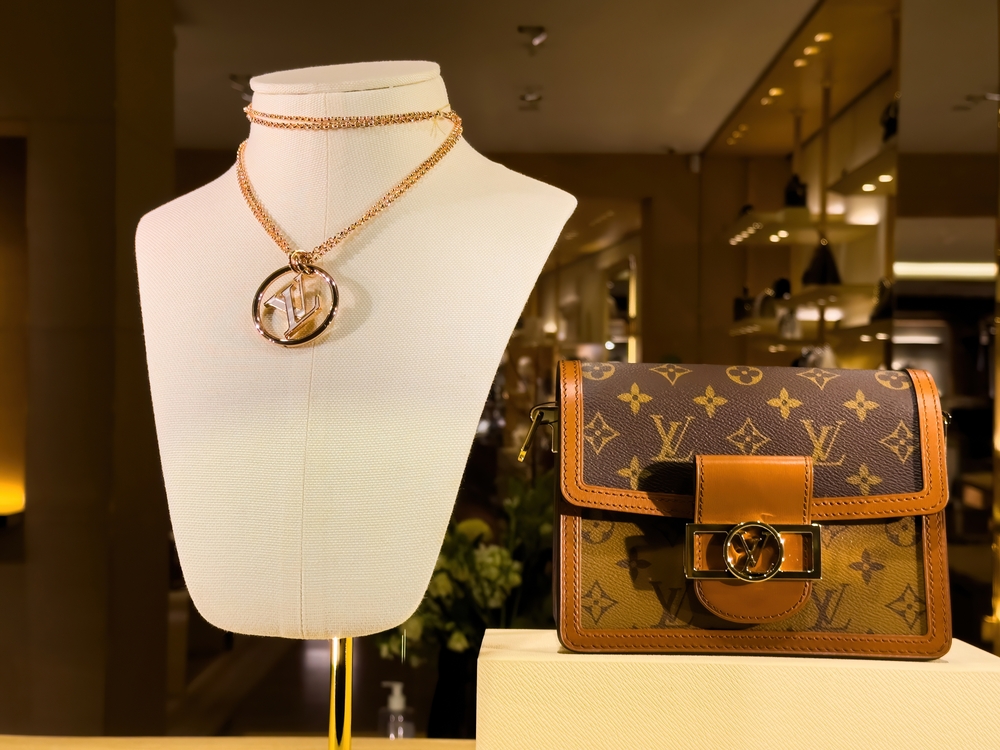
The world of luxury handbags and accessories is thrilling, filled with iconic designs, heritage craftsmanship, and the undeniable allure of owning a piece of fashion history. But as any seasoned collector knows, the value of these items goes far beyond their aesthetic appeal. A vintage Louis Vuitton trunk or a pristine Chanel flap bag isn’t just an accessory; it’s an asset. And like any valuable asset, it requires proper documentation to protect its worth.
You might be familiar with the concept of a standard authenticity certificate—a document that proves your item is the real deal. But there is another tier of documentation that offers even more comprehensive protection and insight: the Authenticity Certificate with Appraisal.
This specialized document combines the peace of mind of verification with the financial clarity of a professional valuation. It answers two critical questions simultaneously: “Is it real?” and “What is it worth?”
In this guide, we will explore exactly what an Authenticity Certificate with Appraisal is, how it differs from standard authentication, and the specific scenarios where upgrading to this service is the smartest move you can make. Whether you are insuring a collection, preparing to sell, or settling an estate, understanding this tool is key to managing your luxury investments.
Defining the Authenticity Certificate with Appraisal
To understand the value of this certificate, we first need to break down its two core components: authentication and appraisal.
The Authentication Component
At its foundation, this certificate serves the primary purpose of verifying legitimacy. The luxury market is unfortunately flooded with sophisticated counterfeits—”superfakes” that can fool even the untrained eye. An authentication assessment involves a rigorous inspection of the item’s materials, construction, hardware, date codes, and brand-specific markers.
When an expert from Pro Authenticators examines your item, they are looking for the subtle nuances that define genuine craftsmanship. Once the item passes this inspection, it is deemed authentic.
The Appraisal Component
This is where the “Certificate with Appraisal” distinguishes itself. While authentication confirms identity, appraisal assigns value. An appraisal is a professional estimate of the item’s current market monetary value.
This value isn’t pulled out of thin air. It is a calculated figure based on:
- Condition: Is the item brand new, gently used, or showing signs of wear?
- Rarity: Is it a limited edition piece or a standard production model?
- Market Demand: How much are similar items currently selling for on the secondary market?
- Retail Price: What was the original cost, and has the price increased over time?
An Authenticity Certificate with Appraisal, therefore, is a dual-purpose document. It is a formal declaration that your item is genuine and a professional statement of its current financial worth.
How It Differs from a Standard Authenticity Certificate
You might be wondering, “Do I really need the appraisal part, or is a standard certificate enough?” The answer depends entirely on your goals.
A Standard Authenticity Certificate focuses solely on legitimacy. It is the perfect tool for:
- Confirming a purchase you just made online.
- Proving to a buyer that the item you are selling is real.
- Peace of mind for your personal collection.
It tells you what the item is, but not how much it counts for financially.
In contrast, an Authenticity Certificate with Appraisal adds the financial dimension. It is a more detailed report that serves legal and financial institutions just as much as it serves you. While a standard certificate says, “This bag is real,” the appraisal certificate says, “This bag is real, and it is worth $4,500 in today’s market.”
This distinction is crucial because insurance companies, estate lawyers, and even some resale platforms require a specific dollar amount attached to the professional opinion. A standard certificate often won’t suffice for these specific administrative needs.
When Should You Choose an Authenticity Certificate with Appraisal?
Opting for an appraisal is a strategic decision. While it typically costs slightly more than a standard authentication, the utility it provides in specific scenarios is priceless. Here are the key situations where you should choose this comprehensive service.
1. Securing Insurance Coverage for Your Collection
This is the number one reason our clients request an appraisal. Standard homeowner’s or renter’s insurance policies often have limits on coverage for “valuables” like jewelry, furs, and luxury handbags. If your collection is worth thousands—or tens of thousands—of dollars, a standard policy might not cover the full replacement cost in the event of theft, fire, or damage.
To get full coverage, you typically need to purchase a “rider” or a “floater” policy specifically for your luxury items. Insurance companies almost universally require a professional certificate for insurance purposes to issue these policies. They need to know exactly what they are insuring and for how much.
By providing an Authenticity Certificate with Appraisal from Pro Authenticators, you give your insurer the concrete data they need to underwrite your policy. If the unthinkable happens, you won’t be left haggling over the value of your lost items; you will have a pre-established document proving their worth.
2. Determining Fair Resale Price
The secondary luxury market is booming, but it is also volatile. Prices fluctuate based on trends, celebrity endorsements, and brand price increases. If you are looking to sell a high-value item, guessing the price can be a costly mistake.
- Price it too high, and your item will sit unsold for months.
- Price it too low, and you leave money on the table.
An Authenticity Certificate with Appraisal gives you a competitive edge. It provides an objective, third-party valuation that helps you set a realistic and attractive price. Furthermore, showing potential buyers this certificate justifies your asking price. It tells them, “I’m not just guessing this number; an expert evaluated it.” This builds trust and can lead to a faster, more profitable sale.
3. Estate Planning and Equitable Distribution
Managing an estate is a complex and emotional process. When valuable assets like luxury handbag collections are involved, things can get complicated quickly. If a family member passes away and leaves behind a collection of Louis Vuitton or Chanel bags, the executor of the estate needs to know the value of these items for tax purposes and equitable distribution among heirs.
An appraisal brings clarity to this process. It prevents disputes among family members by providing a neutral, professional value for each item. Whether the items are being sold to cover estate taxes or divided among siblings, having a documented value ensures fairness and transparency.
4. Divorce Settlements and Asset Division
Similar to estate planning, divorce proceedings often require a precise valuation of marital assets. Luxury collections are considered assets, and their value must be calculated to ensure a fair division of property.
In legal disputes, a casual estimate won’t hold up in court. Lawyers and judges require formal documentation. An Authenticity Certificate with Appraisal serves as admissible evidence of the asset’s value, helping to streamline the settlement process and protect your financial interests.
5. Charitable Donations and Tax Deductions
If you decide to donate a luxury item to a charity auction or a non-profit organization, you may be eligible for a tax deduction. However, the IRS has strict rules regarding the valuation of non-cash charitable contributions.
For donations exceeding a certain value (often $5,000, but rules vary), you are generally required to have a “qualified appraisal” to substantiate the deduction. Our certificate provides the necessary description and valuation to support your tax filing, ensuring you receive the appropriate financial benefit for your generosity.
6. Gift Valuation
Sometimes, you receive a luxury gift without a receipt, or you inherit an item without knowing its history. You might simply be curious: “What is this actually worth?” An appraisal satisfies that curiosity with facts. It allows you to understand the value of what you own, which is essential for making informed decisions about whether to keep, sell, or insure the item.
The Pro Authenticators Difference: Why Trust Our Appraisals?
The accuracy of an appraisal depends entirely on the expertise of the appraiser. In the luxury market, knowledge is specialized. A general antique appraiser might not know the difference between a Louis Vuitton Speedy 25 and a Speedy 30, or how a specific date code affects value.
At Pro Authenticators, we specialize exclusively in luxury goods. Our team lives and breathes these brands. We track market trends daily, monitoring how prices shift for specific models, leathers, and conditions.
Deep Market Knowledge
We don’t just look at retail prices. We analyze the secondary market—where the real trading happens. We look at auction results, sold listings on major platforms, and current retail availability. This ensures that the value we assign to your item reflects what it is actually worth in the real world, not just a theoretical number.
Comprehensive Documentation
Our Authenticity Certificate with Appraisal is designed to be professional and thorough. It typically includes:
- High-resolution images of the item.
- Detailed description of the model, material, and condition.
- Confirmation of authenticity based on brand-specific checkpoints.
- Estimated market value range.
- Our credentials and contact information.
This level of detail is what insurance agents, lawyers, and buyers look for.
Trusted by Clients
We have helped countless clients secure insurance for their cherished collections and navigate complex resale situations. Our reputation is built on accuracy, speed, and integrity. We understand that when you request an appraisal, you are often dealing with high-stakes financial situations or tight deadlines. We respect that urgency and deliver results you can rely on.
Don’t just take our word for it—read what our clients have to say. Visit our reviews page to see testimonials from customers who have used our services for insurance claims, sales, and peace of mind.
Understanding the Appraisal Process
Getting an Authenticity Certificate with Appraisal from Pro Authenticators is a streamlined, user-friendly process. You don’t need to ship your item away and worry about it getting lost in the mail. Our services are conducted virtually, using high-quality images that you provide.
Step 1: Choose Your Service
Visit our Services & Pricing page and select the option for “Certificate of Authenticity with Appraisal.” You will see transparent pricing, so you know exactly what the investment will be upfront.
Step 2: Submit Your Photos
We will guide you on exactly which photos we need. Typically, this includes clear shots of:
- The front, back, and bottom of the item.
- The interior and lining.
- Hardware details (zippers, clasps, rivets).
- Brand stamps and logos.
- Date codes or serial numbers.
- Any areas of wear or damage (scuffs, stains, tears).
The more accurate your photos, the more precise our appraisal can be. Honesty about the condition is key to an accurate valuation.
Step 3: Expert Evaluation
Once your photos are uploaded, our team gets to work. We first verify the authenticity. If the item is deemed counterfeit, we will issue a determination of inauthenticity (which can be used for claims, as discussed in our other guides), but we cannot provide a value appraisal for a fake item, as it has no legitimate market value.
Assuming the item is authentic, we then proceed to the valuation phase. We compare your item against current market data to determine a fair estimated value.
Step 4: Receive Your Certificate
You will receive your digital certificate via email. This PDF document is ready to be forwarded to your insurance agent, printed for your records, or uploaded to a sales listing.
Common Misconceptions About Luxury Item Appraisals
There are a few myths about appraisals that can lead to confusion. Let’s clear them up.
Myth 1: “The appraisal value is the same as the price I paid.”
Not necessarily. Luxury items can depreciate or appreciate. A bag you bought five years ago might be worth double today (like many Chanel classics), or it might be worth 60% of what you paid. An appraisal reflects current value, not historical cost.
Myth 2: “An appraisal guarantees I can sell it for that price.”
An appraisal is an estimate of market value, not a guarantee of a sale. It tells you what a willing buyer would likely pay a willing seller. Market conditions change, and finding the right buyer can take time.
Myth 3: “I only need an appraisal for items worth over $10,000.”
While high-value items certainly need protection, many insurance policies have low limits for “unspecified” valuables (sometimes as low as $1,500). A collection of three or four mid-range luxury bags can easily exceed your policy limit without you realizing it.
The Hidden Value of Professional Documentation
Beyond the immediate financial utility, having a professional appraisal organizes your life as a collector. It creates a catalog of your assets. For serious collectors, this documentation is a point of pride and a necessary tool for management.
Imagine a scenario where you want to upgrade your collection. You decide to sell three smaller bags to fund the purchase of a “holy grail” item. With current appraisals in hand, you know exactly how much equity you have in those three bags. You can negotiate trades or sales with confidence, knowing you aren’t underselling your assets.
Furthermore, in the unfortunate event of a natural disaster or theft, trying to remember every detail of your collection is impossible. Stress and trauma cloud memory. An appraisal file serves as an external hard drive for your inventory—proof of what you owned and what it was worth.
How Often Should You Update Your Appraisal?
The luxury market is dynamic. A valuation from 2018 is likely inaccurate today. Brands like Louis Vuitton, Chanel, and Hermes have implemented aggressive price increases in recent years, which often drags up the price of vintage and pre-loved items on the secondary market.
For insurance purposes, it is generally recommended to update your appraisals every 2 to 3 years. This ensures your coverage keeps pace with inflation and market appreciation. If you are under-insured because your appraisal is outdated, you might not receive the full replacement value if you file a claim.
Check your policy or ask your insurance agent about their specific requirements for appraisal updates. Pro Authenticators makes it easy to get a fresh look at your items whenever you need to re-evaluate your portfolio.
Conclusion: Invest in Clarity and Protection
Your luxury items represent a significant investment of your hard-earned money. They deserve to be protected just like your home, your car, or your stock portfolio. An Authenticity Certificate with Appraisal is the bridge between owning a beautiful object and owning a protected financial asset.
Whether you are navigating the complexities of insurance, preparing for a profitable resale, or simply organizing your estate, this document provides the authority and clarity you need. It removes the guesswork, giving you concrete data backed by industry expertise.
Don’t leave the value of your collection to chance. Visit our Services & Pricing page today to explore our appraisal options. Let Pro Authenticators provide you with the professional documentation that secures your investment and offers you true peace of mind.
Louis Vuitton Authentication made easy!
You are unsure if you are looking at an authentic or fake LV? We offer the quickest and the most accurate way to get it authenticated for your peace of mind.
Authenticate Now