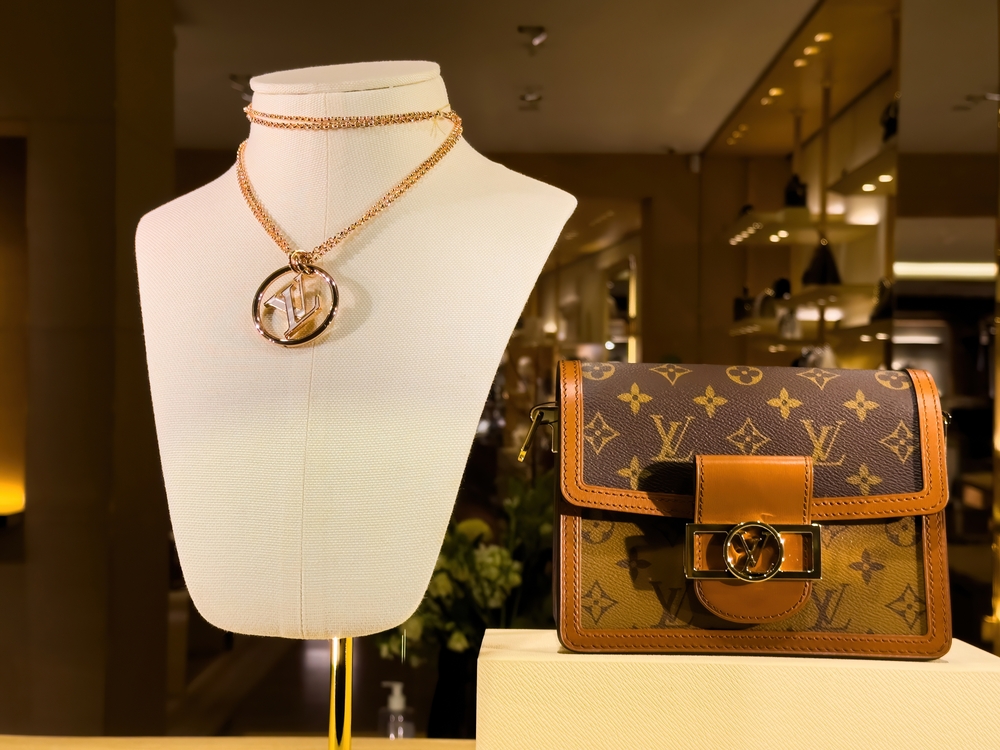
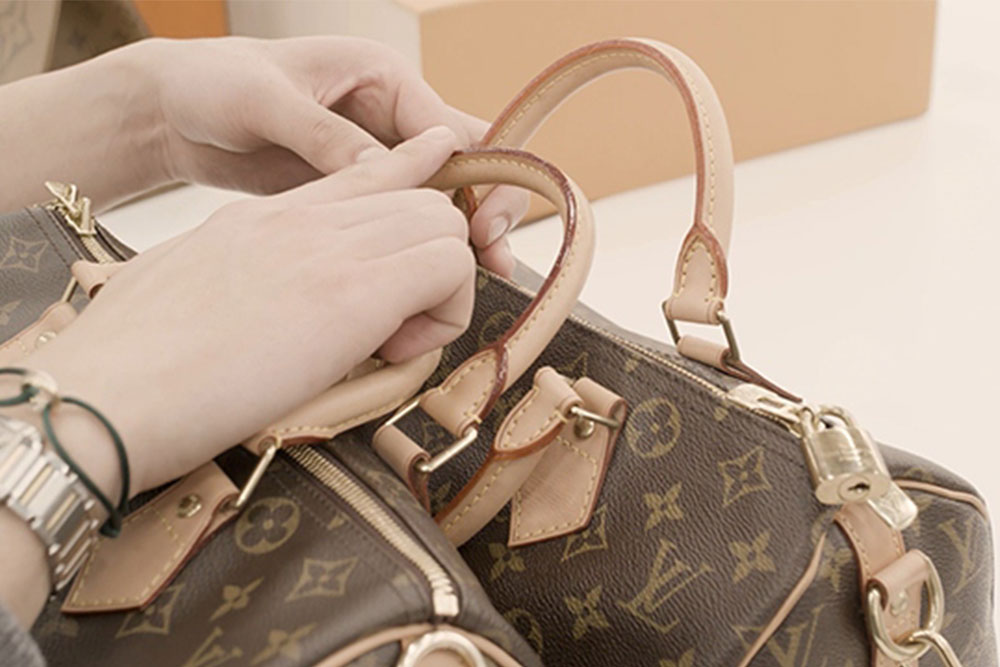
When you picture a Louis Vuitton bag, what comes to mind? For most, it’s the iconic brown Monogram or the checkerboard Damier pattern. This signature material is so famous that many people assume it’s leather. In reality, it’s a coated canvas, a unique and durable material that is central to the brand’s identity. But Louis Vuitton is also a master of leatherwork, producing exquisite bags in materials like Epi, Taurillon, and Vernis. Understanding the fundamental differences between LV’s coated canvas and its various leathers is not just a matter of preference; it’s a critical skill for authentication.
Counterfeiters have become adept at printing patterns, but replicating the precise texture, weight, and aging process of these distinct materials is another story. The feel of a bag in your hands, the way it catches the light, and how it responds to touch are subtle yet powerful indicators of its authenticity. A replica might look the part from a distance, but up close, the material often tells a tale of cheap substitutes and manufacturing shortcuts.
In this guide, we will dive deep into the world of Louis Vuitton materials. We’ll break down the characteristics of their famous coated canvas and explore the most popular types of leather they use. By understanding how each material should look, feel, and wear over time, you will gain an essential tool in your fight against fakes.
1. The Legendary Louis Vuitton Coated Canvas
The most recognizable material from the fashion house isn’t leather at all. Louis Vuitton’s Monogram, Damier Ebene, and Damier Azur prints are applied to a durable, waterproof, and scuff-resistant coated canvas. This material is a testament to the brand’s origins as a luggage maker, designed to withstand the rigors of travel.
What Is Coated Canvas?
Louis Vuitton’s coated canvas is made from a high-quality cotton canvas that is treated with a layer of polyvinyl chloride (PVC). This coating is what gives the material its signature durability and water resistance. It’s a common misconception that this is a cheap or inferior material. In reality, the process is complex, and the resulting product is uniquely suited for everyday use—it’s lighter than leather, easier to clean, and incredibly resistant to scratches.
Texture and Appearance: The Grainy Feel
The single most important characteristic of authentic LV canvas is its texture.
- Authentic Canvas Texture: Run your fingers over a genuine Monogram or Damier canvas. It should have a noticeable grainy or pebbled texture. It is not smooth or slick. This texture is a result of the canvas base and the specific PVC coating process. You should be able to feel a subtle, tactile grain under your fingertips.
- Fake Canvas Texture: Counterfeit canvas often feels smooth, plasticky, or slick to the touch. The surface may have an oily or rubbery feel. Forgers struggle to replicate the exact grainy finish, often producing a material that looks flat and lacks depth. If the canvas feels completely smooth like a vinyl tablecloth, it’s a massive red flag.
Visual Sheen and Color
The finish of the canvas is just as important as the texture.
- Authentic Canvas Sheen: Genuine LV canvas has a subtle, matte to semi-matte finish. It should not be overly shiny or reflective. The golden-brown of the Monogram canvas should be warm and rich, not a flat, dull brown or a brassy yellow. The squares of the Damier Ebene should have a deep, chocolatey brown and a slightly lighter brown, creating a sophisticated contrast. Damier Azur should be a creamy off-white and a muted blue-gray, not a stark white and bright blue.
- Fake Canvas Sheen: Fakes often have a high-gloss, plastic-like shine. This is a dead giveaway. The colors are also frequently off. A fake Monogram might look too orange or have a greenish tint. A fake Damier Ebene might have squares that are almost black, and a fake Damier Azur might be blindingly white and blue, lacking the subtlety of the real thing.
Durability and How It Ages
Louis Vuitton canvas is built to last, but it’s not indestructible. How it wears over time is a key indicator of authenticity.
- Authentic Aging: Genuine canvas is very flexible and resistant to cracking. Over decades of use, it may soften, but it should not easily crack, peel, or bubble under normal conditions. The PVC coating is designed to protect the print, so the monogram or checkerboard pattern should not rub off easily.
- Fake Aging: Counterfeit canvas is notoriously brittle. It is prone to cracking, especially around the corners and along folds. The printed pattern on a fake can often be scratched off with a fingernail, revealing the cheap base material underneath. The colored coating can also peel away from the fabric, something that is extremely rare on an authentic bag.
2. Vachetta Leather: The Signature Trim
While the body of many bags is canvas, the handles, straps, and trim are often made from Vachetta leather. This is an untreated, natural cowhide leather that is a hallmark of the brand. Its ability to transform over time is one of its most beloved qualities.
What Is Vachetta Leather?
Vachetta is a premium, unfinished leather. When new, it is a very pale, beige-pink color with a soft, smooth feel. Because it is untreated, it is highly susceptible to the environment—sunlight, water, and the oils from your hands will all change its appearance.
The Patina Process: A Sign of Authenticity
The most famous characteristic of Vachetta leather is its patina.
- Authentic Patina: Over time and with exposure to the elements, Vachetta leather will slowly and evenly darken to a beautiful honey-brown, and eventually a deep, rich brown. This aging process is a mark of a well-loved, authentic bag. The patina should be relatively even, though it will be darker on areas that are frequently touched, like the handles.
- Fake Vachetta: Many counterfeiters try to fake this process. Some use a cheap, corrected-grain leather that is painted or stained to a light tan color. This leather will not patina; it will only wear down, revealing the pale, raw material underneath. Other fakes use plastic or synthetic materials that look pale when new but never darken. Some high-end fakes will use a low-quality untreated leather, but it often patinas unevenly, turning a blotchy or orange color instead of a beautiful honey-brown.
Water Spots and Stains
Because it’s untreated, real Vachetta is very absorbent. A single drop of water will leave a dark spot. While this can be frustrating for owners, it’s a good test of authenticity. Fake, coated “Vachetta” will repel water because it’s essentially painted plastic.
3. Beyond Vachetta: Louis Vuitton’s Other Leathers
Louis Vuitton is a master of leather goods, offering a wide array of leathers beyond Vachetta. Each has its own unique texture and properties.
Epi Leather: The Textured Icon
Introduced in 1985, Epi leather is a structured, durable leather known for its distinctive grain.
- Texture and Appearance: Epi leather is stamped with a horizontal, textured line pattern. It looks like waves or ripples across the surface. The leather is dyed all the way through, giving it a deep, vibrant color, and then coated with a protective finish that makes it resistant to water and scratching. The finish is typically semi-matte.
- How to Spot a Fake: Counterfeit Epi leather often gets the texture wrong. The lines may be too deep or too shallow, or they may run vertically instead of horizontally. The biggest giveaway is the feel. Fake Epi often feels like stiff plastic. It lacks the subtle suppleness of real leather. The colors on fakes can also be too bright or have an unnatural, shiny finish.
Taurillon and Mahina Leather: The Luxury of Softness
Taurillon is a supple, full-grain bull-calf leather used on high-end bags like the Capucines. Mahina leather is a similar calfskin that is put through a complex perforation process to create the delicate monogram pattern.
- Texture and Appearance: Both Taurillon and Mahina are known for their incredible softness and buttery feel. The grain of Taurillon is visible but subtle and has a slouchy, luxurious drape. Mahina leather feels incredibly lightweight and delicate due to the perforations.
- How to Spot a Fake: Replicating this level of quality is nearly impossible for counterfeiters. Fake versions of these bags might use a cheaper, stiff “leather” that has been embossed with a fake grain. It will feel rigid and plasticky, not soft and supple. The perforations on fake Mahina leather are often messy, with ragged edges or incorrect spacing. The real thing is a work of art; the fakes look punched out.
Our expert authenticators have seen it all, and their experiences are a testament to the importance of material knowledge. Many of our clients have shared their stories on our reviews page, detailing how a simple texture or flexibility test guided by our team saved them from a costly mistake.
Vernis Leather: The High-Gloss Statement
“Vernis” is the French word for varnish, and that’s exactly what this material looks like. Introduced in 1998 under Marc Jacobs, Vernis is a patent calfskin leather embossed with the Monogram pattern.
- Texture and Appearance: Vernis is known for its high-gloss, mirror-like finish. It comes in a huge array of bold, vibrant colors. The embossed monogram should be crisp and visible beneath the glossy coating.
- How to Spot a Fake: Fakes often use simple vinyl or cheap patent plastic instead of real leather. The finish on a fake can look cloudy, bubbly, or have an orange-peel texture. The embossed pattern may be shallow or blurry. A major tell for fake Vernis is color transfer and stickiness. Low-quality fakes can become sticky in humid weather and are prone to absorbing ink or color from other items they touch.
4. Comparing Canvas and Leather Side-by-Side
| Feature | Louis Vuitton Coated Canvas | Louis Vuitton Leather (General) | How to Spot a Fake |
| Material | Cotton canvas coated with PVC. | Varies: untreated cowhide (Vachetta), stamped calfskin (Epi), full-grain bull (Taurillon), etc. | Canvas feels like smooth plastic or vinyl. Leather feels stiff, rubbery, or has a synthetic smell. |
| Texture | Distinctive grainy/pebbled feel. Not smooth. | Varies by type. Vachetta is smooth; Epi is horizontally lined; Taurillon is softly pebbled. | Fake canvas is too smooth. Fake leather grains look flat, pressed-on, or unnatural. |
| Weight | Lighter than a full-leather bag of the same size. | Generally heavier than canvas, with a substantial feel. | A bag that should be canvas feels unusually heavy, or a leather bag feels suspiciously light. |
| Durability | Extremely durable, waterproof, and scratch-resistant. | Durability varies. Epi is very durable; Vachetta is delicate; Taurillon is soft but resilient. | Canvas that cracks, peels, or has print that scratches off easily. Leather that flakes or chips. |
| Aging Process | Softens over time but maintains its structure and color well. Does not patina. | Vachetta patinas to a honey-brown. Other leathers soften and may develop a gentle sheen. | Vachetta that doesn’t darken or turns an odd color. Other “leathers” that peel instead of wear. |
You Cannot Fake Quality
At the end of the day, the materials tell the story. Louis Vuitton built its empire on a foundation of unparalleled quality, and that quality is tangible. It’s in the way the canvas flexes without cracking, the way Vachetta leather warms to your touch and darkens in the sun, and the way a Taurillon leather bag drapes with a heavy, luxurious softness.
Counterfeiters can print a pattern, but they cannot replicate the soul of the material. They cut corners by using cheap vinyl, plastic-coated fabrics, and low-grade leathers that look passable in a blurry online photo but fail every tactile test. Learning to trust your sense of touch is one of the most important skills in authentication.
Even with this knowledge, the rise of “superfakes” that use real leather and improved materials can make it difficult for anyone but a seasoned expert to be 100% certain. Why spend your hard-earned money on a question mark? An authenticator has the experience and training to identify the subtle nuances that separate a genuine material from a convincing replica.
If you’re considering a pre-loved Louis Vuitton bag, don’t leave it to chance. Protect your investment and give yourself the confidence that comes with knowing you own the real deal. Visit our services and pricing page to see how simple and affordable it is to get a professional evaluation. Let our experts handle the material analysis so you can focus on enjoying your beautiful, authentic Louis Vuitton bag.
Louis Vuitton Authentication made easy!
You are unsure if you are looking at an authentic or fake LV? We offer the quickest and the most accurate way to get it authenticated for your peace of mind.
Authenticate Now