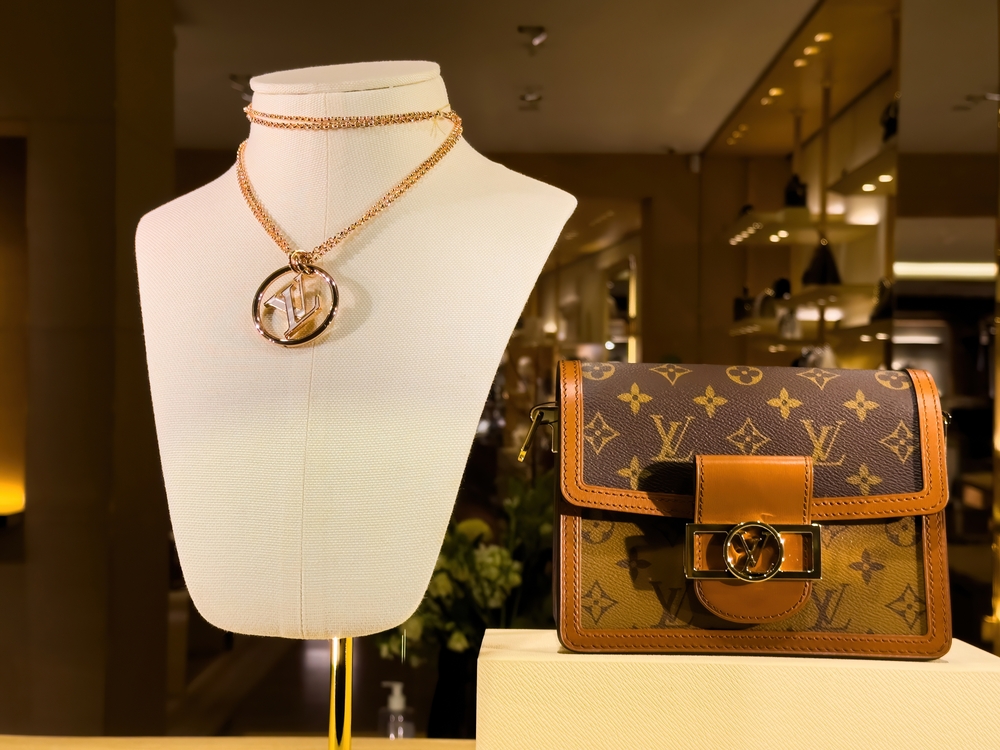
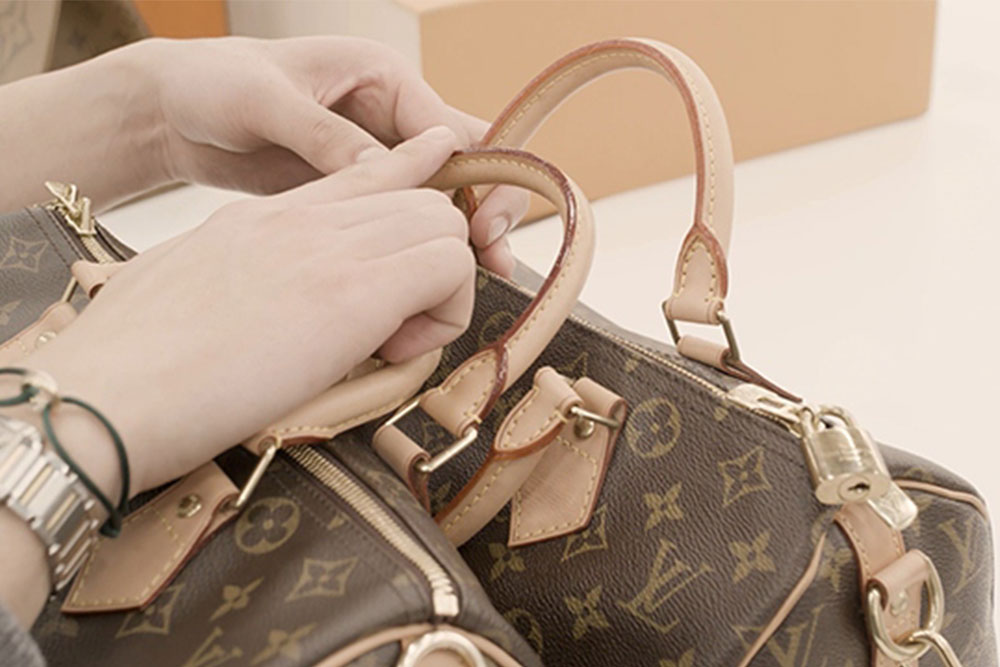
Selling a pre-owned luxury item should be a straightforward, profitable experience. You have a beautiful handbag, watch, or accessory that you are ready to pass on to its next owner. You list it on a popular marketplace, take beautiful photos, write a detailed description, and wait for a buyer. The sale goes through, and everything seems fine—until you receive an email from the platform: “A dispute has been opened for your recent sale. The buyer claims the item is not authentic.”
This scenario is a seller’s worst nightmare. Your funds are frozen, your reputation is questioned, and you are now locked in a stressful process to prove your item’s legitimacy. The buyer, who may or may not have expertise, is making a serious accusation. Without concrete, third-party proof, it often becomes your word against theirs. Fortunately, there is a powerful, proactive step you can take to prevent this situation entirely: get a professional authentication certificate before you list your item.
This guide will walk you through why a pre-sale authentication certificate is the single most important tool for a luxury reseller. We will explore how it builds trust, shields you from disputes, and ultimately helps you sell your items faster and for a better price.
The Modern Resale Market: A Landscape of High Stakes and Low Trust
The secondary market for luxury goods is booming, but this growth has brought with it a significant challenge: a pervasive lack of trust. Buyers are increasingly wary of sophisticated “super fakes” and are quick to question an item’s authenticity if even the smallest detail seems off.
Marketplaces like eBay, Poshmark, and Facebook Marketplace have become battlegrounds where sellers and buyers often view each other with suspicion. A buyer might experience “buyer’s remorse” and use an authenticity claim as a way to force a return. A well-intentioned but uninformed buyer might compare your authentic vintage item to a modern version in a boutique and mistakenly believe it’s fake due to normal variations in aging or manufacturing.
In this environment, a seller listing an item without third-party validation is at a significant disadvantage. You are essentially asking a stranger on the internet to trust you completely with a purchase that could be worth hundreds or even thousands of dollars.
The Anatomy of a Resale Dispute
When a buyer opens a dispute claiming an item is counterfeit, a chain reaction begins:
- Payment Hold: The marketplace immediately freezes the funds from the sale. You will not get your money until the dispute is resolved.
- Evidence Request: You will be asked to provide proof that your item is authentic. Your original purchase receipt might help, but it doesn’t prove that the item you shipped is the same one you originally bought.
- The Burden of Proof: The burden often falls on you, the seller, to prove authenticity. The buyer’s claim is frequently given significant weight by platform administrators.
- Potential Outcomes: If you cannot provide sufficient proof, you will likely be forced to accept a return (and pray the buyer sends back your actual item in its original condition) and issue a full refund. In some cases, your selling account could be suspended or permanently banned.
This entire process is stressful, time-consuming, and financially risky. An authentication certificate helps you sidestep this entire ordeal.
The Power of Proactive Authentication: Your Shield and Your Sword
An authentication certificate from a reputable, independent service acts as both a shield to protect you and a sword to cut through buyer skepticism. It is a document, backed by expert opinion, that formally verifies your item’s authenticity.
1. It Acts as a Powerful Deterrent
When you include a picture of a professional authentication certificate in your listing, you send a clear message to potential buyers. You are signaling that you have already done your due diligence and that the item’s authenticity has been verified by an expert.
This simple act deters two types of problematic buyers:
- The Scammer: Individuals looking to exploit the system by falsely claiming an item is fake to get a free return or a partial refund are less likely to target a listing that is already backed by a certificate. The certificate removes their main weapon.
- The Anxious Buyer: Genuinely nervous buyers are put at ease. The certificate answers their biggest question—”Is this real?”—before they even have to ask. It gives them the confidence to click “buy.”
2. It Provides Irrefutable Evidence in a Dispute
Even with a certificate, a determinedly difficult buyer might still try to open a case. This is where your proactive work truly pays off. When the marketplace asks for proof, you are not scrambling to find old receipts or taking new photos. You simply provide a copy of the professional authentication certificate.
This document from a recognized third-party expert carries far more weight than a seller’s personal assurances. It demonstrates that you took responsible steps to verify the item before the sale. In our experience, sellers who provide a certificate with their initial response to a dispute see the case resolved in their favor much more quickly and with significantly less stress. Our clients’ success stories, which you can read in our Reviews, often highlight the peace of mind that comes from being prepared.
3. It Builds Unshakeable Buyer Trust
Trust is the currency of the resale market. A certificate is the ultimate trust-building tool. It shows that you are a transparent, professional, and confident seller. You are not just claiming the item is authentic; you are providing proof.
This trust translates into tangible benefits:
- Faster Sales: Buyers are more likely to purchase an item immediately when their primary concern has been addressed upfront.
- Fewer Questions: You will spend less time answering repetitive questions about authenticity.
- Higher Selling Price: Many buyers are willing to pay a premium for the peace of mind that a certified item provides. Your item will stand out from other listings that lack this verification.
If you are ready to provide this level of trust to your buyers, you can explore our various certificate options on our Services & Pricing page.
Practical Steps: How to Get Your Item Certified Before You List
Getting an authentication certificate is a simple, straightforward process that should be a standard part of your pre-listing checklist.
Step 1: Choose a Reputable Authenticator
Not all authentication services are created equal. You need a company that is recognized, respected, and has a long track record of accuracy. Look for:
- Specialization: Do they have expertise in the brand you are selling?
- Transparency: Is their pricing and process clear?
- Positive Reviews: What do other sellers and buyers say about their service? A history of glowing reviews is a strong indicator of reliability.
Step 2: Take High-Quality Photographs
The authentication process for online services is based on detailed photographs. Your ability to provide clear, well-lit images is crucial for an accurate assessment. We typically require a specific set of photos, including:
- Front, back, sides, and base of the item.
- Close-ups of all hardware (zippers, clasps, rivets), including any engravings.
- Images of the interior lining and any pockets.
- Clear photos of the date code, serial number, or microchip scan result.
- Shots of the stitching, handle attachments, and any “Made in” stamps.
Follow the authenticator’s photo guide precisely. Poor-quality photos are the number one reason for an “inconclusive” result.
Step 3: Choose the Right Certificate for Your Needs
Different situations may call for different types of certificates. For example, we offer various levels of service to match your specific requirements:
- Basic PDF Certificate: This is often sufficient for most online sales. It’s a digital document that you can easily screenshot and include in your listing photos. It provides formal verification of authenticity.
- Detailed Certificate: For high-value items (think Hermès, Chanel, or exotic leathers), a more detailed report may be beneficial. This can include a deeper analysis of the item’s features and condition, providing an even higher level of assurance for a premium buyer.
Consider the value of your item and the platform you are selling on when choosing your certificate type.
Step 4: Incorporate the Certificate into Your Listing
Once you receive your certificate, integrate it into your sales listing strategically:
- Mention it in the Title: A title like “Louis Vuitton Speedy 30 with Professional Authentication Certificate” immediately grabs attention.
- Add a Picture of the Certificate: Make a screenshot of the certificate one of your primary listing photos. This ensures that every potential buyer sees it.
- Reference it in the Description: Start your description by stating that the item has been professionally authenticated and comes with a certificate of authenticity. For example: “Rest assured, this bag has been professionally authenticated by ProAuthenticators and a certificate is included in the photos for your peace of mind.”
This multi-pronged approach ensures that no buyer can claim they were unaware of the item’s verified status.
Case Study: The Tale of Two Sellers
To illustrate the difference a certificate makes, let’s consider two sellers, Seller A and Seller B, who are both listing an identical Louis Vuitton Neverfull bag.
Seller A (No Certificate):
Seller A lists her bag with good photos and a description that says, “100% Authentic, purchased by me from the LV store.” A buyer purchases it. A week later, the buyer opens a dispute. They claim the stitching on the handle “looks weird” and that the date code is “hard to read,” so it must be fake. The platform freezes Seller A’s funds. She frantically searches for her old receipt from five years ago and takes more photos, but the dispute drags on for weeks. Ultimately, the platform sides with the buyer, forcing a return. Seller A gets her bag back, but it now has a new scuff mark, and she is out her shipping costs and weeks of stress.
Seller B (With Certificate):
Seller B gets her bag authenticated before listing. She includes a picture of the certificate in her listing and mentions it in the title. Her bag sells in two days for $50 more than Seller A’s listed price. A week later, she also gets a dispute from a difficult buyer making a similar claim about the stitching. Seller B immediately responds to the dispute by uploading a copy of the certificate and a link to the authenticator’s website. The marketplace reviews the evidence and closes the dispute in Seller B’s favor within 48 hours. Her funds are released, and the sale is complete.
Seller B invested a small amount of time and money upfront and saved herself from financial loss, product damage, and immense stress.
Protecting Yourself from “Switch-Out” Fraud
A more sinister type of dispute involves “switch-out” fraud. This is when a buyer purchases your authentic item and then opens a dispute, returning a counterfeit version of the same item while keeping your genuine one.
A detailed authentication certificate can also help protect you in this scenario. A thorough certificate, especially a detailed one, documents the unique characteristics and condition of your specific item before you ship it. If the item returned to you does not match the details noted in the pre-sale authentication (e.g., a specific scratch, the exact date code), you have powerful evidence to present to the marketplace that the item sent back was not the one you originally sold. It creates a “fingerprint” of your item at the time of sale.
Conclusion: Make Certification Your Standard Operating Procedure
In the modern resale marketplace, selling a luxury item without a professional authentication certificate is like driving a car without insurance. You might be fine for a while, but you are one small incident away from a major headache. The small, upfront investment in a certificate is your premium against financial loss, stress, and reputational damage.
By getting your items certified before you list, you:
- Avoid the vast majority of disputes.
- Build immediate trust with buyers.
- Arm yourself with irrefutable proof of authenticity.
- Sell your items faster and often for a higher price.
- Protect yourself from fraudulent claims and scams.
Make it a non-negotiable step in your selling process. Treat it as part of the cost of doing business—a cost that pays for itself many times over in peace of mind and secure sales.
If you are ready to fortify your listings and become a top-tier, trusted seller, start by getting your items professionally authenticated. Explore our certificate options on the Services & Pricing page, and join the thousands of happy sellers who trust our expertise, as detailed in our customer Reviews. Don’t just claim your item is authentic—prove it.
Louis Vuitton Authentication made easy!
You are unsure if you are looking at an authentic or fake LV? We offer the quickest and the most accurate way to get it authenticated for your peace of mind.
Authenticate Now