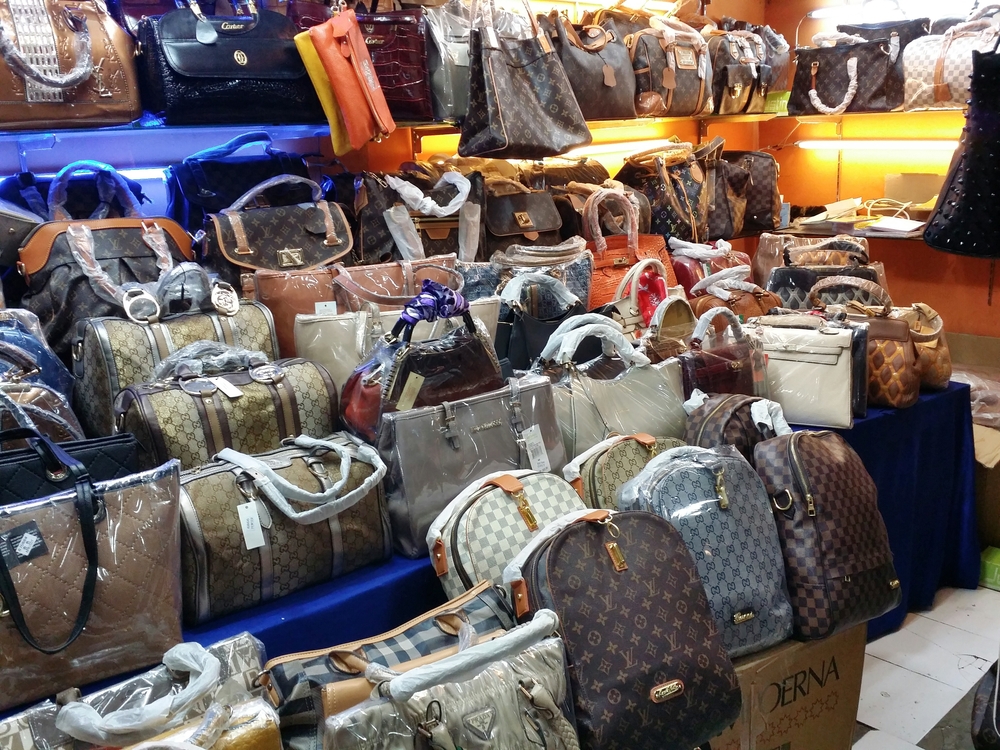
The world of luxury goods has always been shadowed by the counterfeit market. For decades, spotting a fake Louis Vuitton bag was relatively simple. You looked for cheap plastic-like materials, sloppy stitching, and laughably bad logos. These low-quality knockoffs were easy to identify and posed little threat to a discerning buyer. Today, that landscape has changed dramatically. The counterfeit industry has evolved from a cottage trade into a sophisticated global enterprise, producing fakes so convincing they can fool even experienced enthusiasts.
These new “super fakes” or “mirror copies” are not the cheap imitations found on street corners. They are crafted with a level of detail and quality that was once unimaginable for counterfeit products. As counterfeiters get smarter, the risk for buyers in the pre-loved market skyrockets. The game has changed, and the old rules of authentication no longer guarantee protection.
This guide will pull back the curtain on the modern counterfeit industry. We’ll explore the advanced techniques counterfeiters are now using, the challenges this creates for everyone, and most importantly, how professional authenticators are leveraging technology and deep expertise to stay one critical step ahead in this high-stakes cat-and-mouse game.
The Evolution of the Super Fake
The new wave of counterfeit production is a far cry from the sweatshops of the past. Modern counterfeiters operate with a level of professionalism that mirrors legitimate manufacturing. They deconstruct authentic bags, study their materials down to the molecular level, and use advanced technology to replicate every detail. This has led to fakes that are alarmingly close to the real thing.
Better Materials and Near-Perfect Replication
The most significant leap forward for counterfeiters has been in their sourcing and manufacturing of materials. They are no longer using cheap pleather and painted hardware.
- High-Quality Coated Canvas: Counterfeiters now produce coated canvas that mimics the weight, texture, and even the specific sheen of authentic Louis Vuitton canvas. They have refined their printing processes to replicate the monogram pattern with incredible accuracy, getting the color tones and grain much closer to the genuine article.
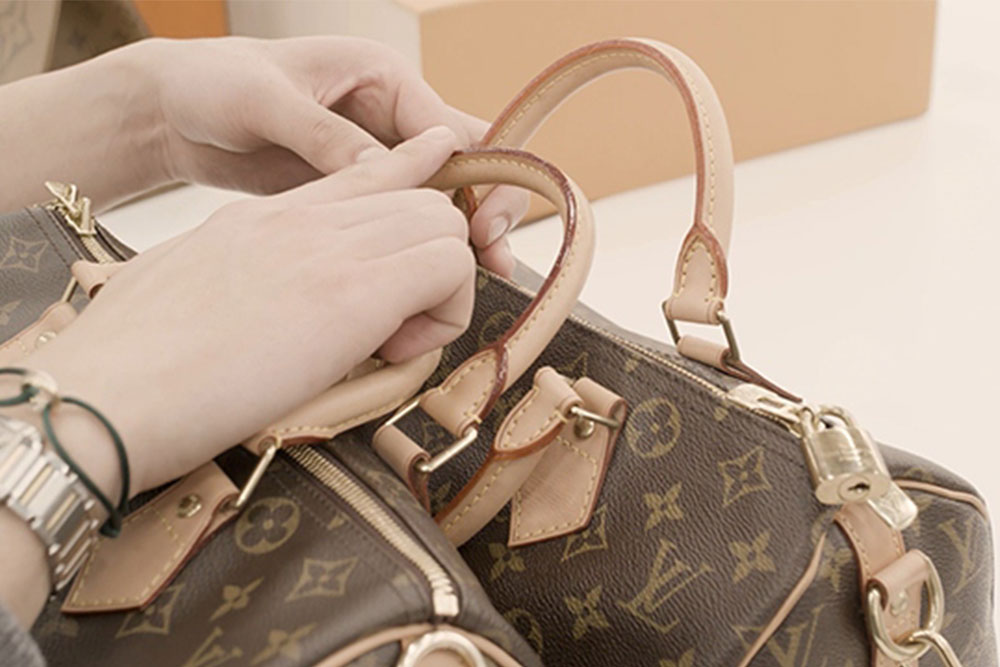
- Real Leather Components: Instead of using treated plastic, many super fakes now use real Vachetta leather for handles and trim. This means the leather on a fake bag can now tan and develop a patina over time, a process that was once a trusted sign of authenticity.
- Advanced Hardware Cloning: Gone are the days of lightweight, painted zipper pulls. Sophisticated counterfeiters are using high-quality brass and other metals, replicating the weight and feel of genuine LV hardware. They use precise laser engraving to copy the logos and brand markings on zippers and rivets, making a simple visual check much less reliable.
The Rise of Cloned Codes and Packaging
For years, buyers have relied on date codes to verify a bag’s production details. Counterfeiters have caught on and now excel at creating fakes that check all the superficial boxes.
- Mimicking Date Codes: Modern fakes often feature date codes that are correctly formatted for the supposed style and year. They will use the right factory letters and numerical sequencing. Some counterfeit rings even coordinate to ensure they aren’t all using the same few codes, making database cross-referencing more difficult for amateurs.
- Replicating the “Full Set”: Counterfeiters are no longer just selling a bag; they are selling an entire “unboxing experience.” Super fakes often come with a complete set of counterfeit accessories: a high-quality (fake) box, a dust bag with the correct font, meticulously copied receipts, and even care booklets. A buyer who receives a bag with a receipt that looks real is often lulled into a false sense of security.
Exploiting Information Gaps
The most cunning counterfeiters study online authentication guides and forums. They learn the “tells” that authenticators teach the public and then focus their efforts on correcting those specific flaws in their next batch of fakes.
If a popular blog post points out that fakes often have an oval-shaped “O” in the heat stamp, counterfeiters will re-tool their stamps to create a perfectly round “O.” If authenticators highlight a specific stitch count on a handle tab, counterfeiters will adjust their sewing machines to match it. They are actively engaged in a feedback loop, constantly improving their products based on the public’s knowledge.
The New Challenges for Buyers and Authenticators
This new era of sophisticated counterfeits presents immense challenges for everyone in the luxury ecosystem. The lines between real and fake have become dangerously blurred, making the pre-owned market a minefield for the unprepared.
The Erosion of Trust
The biggest casualty of the super fake boom is trust. Buyers can no longer rely on the simple authentication checklists that once served them well. Details that were once reliable indicators of authenticity—like a tanning Vachetta handle, a heavy zipper, or a correct date code format—are now being successfully replicated. This creates a market where every seller’s claim must be scrutinized and every bag is suspect until proven otherwise.
The Impossibility of Self-Authentication
For the average person, confidently authenticating a modern super fake is nearly impossible. Without access to a physical, verified authentic bag of the same style and year for a side-by-side comparison, the subtle differences are incredibly difficult to spot.
A super fake might have canvas that is 95% correct, a font that is 98% accurate, and hardware that is almost identical in weight. An amateur is unlikely to notice the 2% discrepancy in the font kerning or the slight difference in the hardware’s metallic composition. This leads to two dangerous outcomes: buyers unknowingly purchase fakes for thousands of dollars, or they become so fearful that they pass on legitimate bags, assuming they are “too good to be true.”
Keeping Pace with a Rapidly Moving Target
For professional authenticators, the challenge is staying ahead of a constantly evolving opponent. It’s not enough to know what a fake looked like last year; we need to know what a fake looks like this month. Counterfeiters operate on rapid production cycles, tweaking their methods with each new batch. This requires a level of continuous research and data collection that is far beyond the scope of a casual hobbyist.
How We Stay Ahead: The Modern Authenticator’s Playbook
While counterfeiters are getting smarter, so are professional authenticators. At ProAuthenticators, we have moved far beyond simple visual inspections. We employ a multi-layered approach that combines decades of hands-on experience with cutting-edge technology to defeat even the most convincing super fakes.
Deep Forensic Analysis
Our process goes far beyond what you can see. We analyze items at a microscopic level, looking for details that counterfeiters cannot replicate without incurring the same costs as the authentic brand.
- Microscopic Stitch Analysis: We don’t just count stitches; we examine the stitch itself. We look at the thread’s fiber, the tension of the stitch, and the shape of the hole it leaves in the leather. Louis Vuitton uses specific types of thread and machinery that create a unique, slightly angled stitch pattern that fakes can’t perfectly duplicate.
- Hardware Composition Testing: We analyze the metallic composition of hardware. While a fake zipper might feel heavy, it may be made from a zinc alloy instead of brass. These subtle differences in material composition are invisible to the naked eye but are clear indicators to an expert.
- Font and Stamp Cartography: We don’t just look for a “round O.” We have a comprehensive database of every heat stamp used by Louis Vuitton, mapped by year and factory. We analyze the kerning (space between letters), the specific depth of the emboss, and the unique characteristics of each letter in the font for that specific production period. A 2015 “Made in France” stamp has subtle differences from a 2020 “Made in Spain” stamp, and we know what to look for.
The Power of Big Data and AI
Human expertise is the core of our work, but we augment it with powerful technology. This allows us to spot patterns and cross-reference details at a scale that is impossible for a single person.
- Massive Authentication Databases: We maintain an extensive, proprietary database containing thousands of images of confirmed authentic and counterfeit items. When we receive an item for authentication, we can compare it against hundreds of examples of the same style from the same era. This allows us to spot deviations that would be invisible in isolation.
- AI-Powered Pattern Recognition: We utilize artificial intelligence tools to help us analyze patterns. Our AI can scan a monogram pattern and compare its alignment against a verified “map” for that specific bag style. It can detect minute inconsistencies in the repeat of the pattern or the spacing of the motifs that even a trained eye might miss.
- Tracking Counterfeit Trends: Our interconnected database allows us to track the evolution of fakes in near real-time. When a new type of super fake with a specific flaw hits the market, our system flags it. All of our authenticators are immediately updated on the new “tell” to look for. This collective intelligence keeps us constantly ahead of the curve.
Our commitment to this hybrid approach of human expertise and technological power is what enables us to identify today’s most sophisticated fakes. When you are faced with a bag that looks perfect in every way, you need an expert who can look deeper. Our services and pricing are designed to give you access to this advanced level of scrutiny, ensuring you get the certainty you deserve.
Voices from the Front Lines
The value of expert, technologically-backed authentication becomes clear when you hear from those who were almost fooled. We have helped countless clients avoid costly mistakes by identifying super fakes that appeared flawless on the surface.
One customer, Mark, was about to spend a significant sum on a pre-owned Pochette Métis that came with a perfect “full set”—box, dust bag, and a very convincing receipt. Visually, the bag was impeccable. However, our microscopic analysis of the heat stamp revealed that the font, while excellent, had a kerning inconsistency of less than a millimeter compared to our database of authentic stamps from that year. That tiny detail, invisible to Mark, saved him from buying a top-tier fake.
You can read more stories like this on our reviews page. These testimonials highlight a common theme: in today’s market, peace of mind comes from having an expert who can see what you can’t.
Conclusion: Vigilance and Expertise Are Your Best Defense
The counterfeit market is no longer a game of spotting obvious flaws. It is a sophisticated battle of technology and expertise. As counterfeiters continue to get smarter and their products become more convincing, the risk of making a costly error grows every day. The old methods of self-authentication are no longer enough to protect your investment.
Staying safe in the modern luxury market requires a two-pronged approach: vigilance and a reliance on true experts. Be skeptical of deals that seem too good to be true, and never let a convincing “full set” of packaging or a receipt be your sole reason for trust. Most importantly, when it comes time to make a purchase, turn to professionals who have the tools, experience, and technology to see through the deception.
By partnering with an advanced authentication service, you are not just buying an opinion; you are investing in certainty. You are leveraging a system built to stay ahead of the curve, ensuring that the luxury item you bring home is a genuine piece of craftsmanship, not a hollow imitation.
Louis Vuitton Authentication made easy!
You are unsure if you are looking at an authentic or fake LV? We offer the quickest and the most accurate way to get it authenticated for your peace of mind.
Authenticate Now