In the world of luxury resale, a professional authentication certificate is an essential tool. It provides the proof needed to build buyer trust and protect sellers from disputes. Most of the time, a basic PDF certificate of authenticity (COA) is perfectly sufficient. It clearly states that an item has been reviewed by an expert and deemed authentic, which is enough to give peace of mind for the average transaction.
However, there are situations where “sufficient” isn’t enough. For high-value items, rare collectibles, or complex legal situations, you need more than a simple verdict. You need a document that provides an in-depth, forensic-level analysis of your item. This is where a detailed authentication certificate becomes not just a nice-to-have, but an absolute necessity.
Choosing between a basic and a detailed certificate depends on your specific needs, the item in question, and the potential risks involved. This guide will break down the differences between these two powerful documents, outline the specific scenarios where a detailed certificate is the superior choice, and explain how it provides an unparalleled level of protection for buyers and sellers alike.
The Foundation: Understanding the Basic PDF Certificate
Before diving into the benefits of a detailed report, let’s establish the role of the standard, basic PDF certificate. This document is the workhorse of the luxury resale market. It is a formal declaration from a professional authenticator that confirms an item’s legitimacy.
What Does a Basic Certificate Include?
A standard COA typically contains the following core components:
- A Clear Statement of Authenticity: An unambiguous verdict stating that the item is authentic.
- Item Identification: The name, model, and style of the item (e.g., “Louis Vuitton Monogram Speedy 30”).
- A Primary Photograph: An image of the item that was authenticated.
- A Unique Certificate Number: A serial or reference number for tracking and verification.
- The Authenticator’s Information: The name and branding of the authentication service.
When Is a Basic Certificate Enough?
For a large majority of transactions on platforms like Poshmark, Mercari, or Facebook Marketplace, a basic certificate is all you need. It’s ideal for:
- Standard, Mid-Range Luxury Goods: Common items like a Gucci Marmont bag, a Tory Burch tote, or a standard Louis Vuitton wallet.
- Building General Buyer Trust: It quickly answers the most common buyer question: “Is this real?”
- Resolving Simple Platform Disputes: It serves as solid evidence to show a marketplace administrator that you performed due diligence.
A basic certificate is an effective, affordable way to secure your sale and provide confidence. You can see the options for this type of service on our Services & Pricing page. It gets the job done efficiently. But some jobs require a more powerful tool.
Leveling Up: The Detailed Authentication Certificate
A detailed authentication certificate is not just a verdict; it’s the full body of evidence. Think of a basic certificate as the headline of a news story, while the detailed certificate is the in-depth investigative report, complete with quotes, data, and photographic proof.
What Makes a Certificate “Detailed”?
A detailed certificate includes everything found in a basic one, but goes much, much further. It provides a comprehensive breakdown of the authentication process and documents the specific characteristics of your item that prove its authenticity.
Key additional features often include:
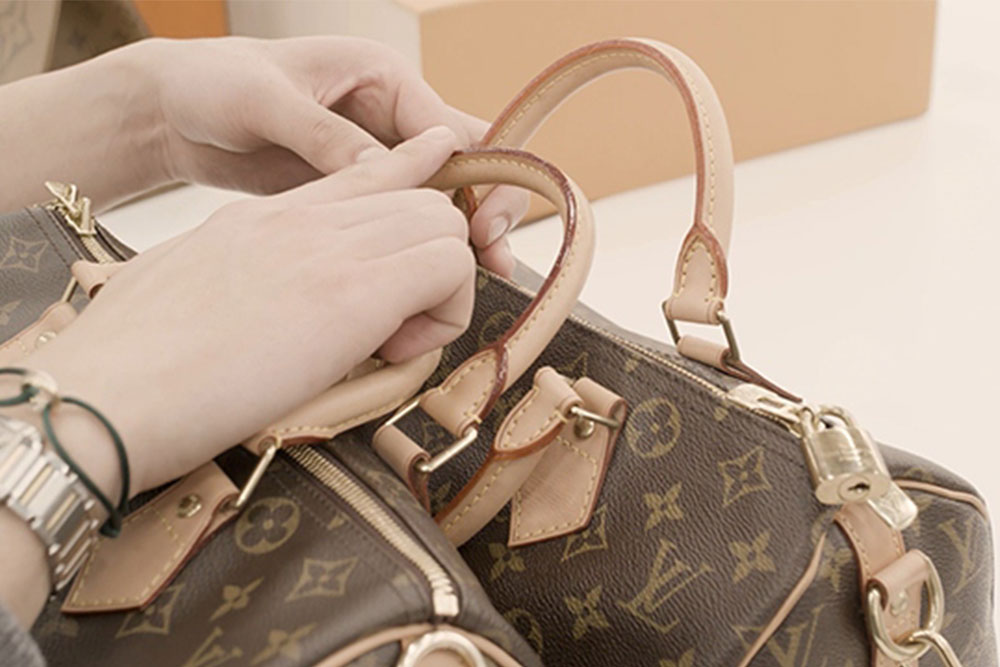
- Component-by-Component Analysis: A section-by-section evaluation of the item. This can include analysis of the material (leather, canvas), hardware (zippers, clasps, feet), stitching, lining, and branding stamps.
- Multiple High-Resolution Annotated Photos: Instead of one hero image, a detailed report includes numerous close-up photos of key authentication points. These images may be annotated with arrows and notes pointing out specific details, such as the correct font on a heat stamp or the unique markings on a rivet.
- Comparison to Brand Standards: The report will explain why a particular feature is authentic by comparing it to known brand standards for that specific model and production year. For example, it might state, “The zipper pull is consistent with the Lampo-made hardware used by Chanel between 2008 and 2010.”
- Documentation of Unique Identifiers: A clear record of serial numbers, date codes, microchip data, or blind stamps, with analysis of their correctness.
- Condition and Modification Notes: The report may also document the item’s condition, noting any wear, repairs, or non-original parts. This creates a “fingerprint” of the item’s state at the time of authentication.
This level of detail transforms the certificate from a simple statement into a robust legal and financial document.
When to Insist on a Detailed Certificate: 5 Key Scenarios
How do you know when to make the extra investment in a detailed report? If you find yourself in any of the following situations, the choice is clear.
1. For High-Value and “Holy Grail” Items
This is the most common and compelling reason to opt for a detailed certificate. We are talking about items that represent a significant financial investment—often thousands or even tens of thousands of dollars.
Examples:
- Hermès Birkin or Kelly bags
- Exotic skin bags (alligator, crocodile, ostrich) from any major brand
- Limited edition or runway Chanel bags
- High-end luxury watches like a Rolex, Patek Philippe, or Audemars Piguet
Why it’s essential: For these “holy grail” items, a simple “it’s authentic” is not enough to satisfy a discerning buyer or protect a high-stakes sale. A buyer spending $15,000 on a Birkin wants to see why it’s authentic. They want to see the specifics of the sangles, the touret, the pearling on the stamp, and the craftsman’s mark. A detailed report provides this granular proof, justifying the high price tag and giving the buyer ultimate confidence. As a seller, it’s your ironclad defense in a potential dispute that involves a huge sum of money.
2. For Insurance Purposes
If you own a valuable collection of luxury goods, you should have them insured against theft, loss, or damage. Your insurance company will require proof of the items’ existence and value.
Why it’s essential: In the event of a claim, a basic certificate proves authenticity, but a detailed certificate does much more. It provides a documented, time-stamped record of the item’s specifics and condition before the incident occurred. The multiple, annotated photos serve as undeniable proof of the item you owned. This can be crucial in preventing an insurance company from undervaluing your claim or questioning the nature of the lost or damaged item. The detailed report becomes an official part of your policy’s appraisal documentation.
3. In Legal Disputes or Estate Settlements
Authentication certificates are often used in legal contexts, including divorce proceedings, estate settlements, and civil litigation.
Why it’s essential: In a legal setting, every claim must be backed by evidence. A detailed authentication report is prepared with a level of rigor that stands up to scrutiny in court.
- Divorce: When assets are being divided, a detailed report can provide a formal valuation basis for a luxury collection.
- Estate Law: When settling an estate, a detailed certificate helps an executor accurately identify, value, and distribute luxury assets. It prevents disputes among beneficiaries about the authenticity or worth of inherited items.
- Litigation: If you are suing someone for selling you a counterfeit, a detailed report from a reputable expert can serve as your primary evidence, breaking down exactly why the item is fraudulent.
The forensic nature of the report is designed to be understood and respected by legal professionals.
4. For Rare, Vintage, or Unusual Items
The world of vintage luxury is complex. Brands change their hardware, fonts, and materials over time. An item from the 1980s will have very different characteristics than one from the 2020s.
Examples:
- A vintage Chanel bag with a specific, hard-to-find serial sticker series.
- A Louis Vuitton piece from a short-lived collaboration.
- An item with known manufacturing variations that might be mistaken for flaws by an untrained eye.
Why it’s essential: A basic certificate might not be enough to explain the quirks of a vintage piece. A buyer might see a different type of zipper and assume it’s fake, not realizing it was the correct one for that era. A detailed report educates the buyer. It can explain, “This bag features an Eclair zipper, which was used by Louis Vuitton on items produced in the early 1980s, confirming its vintage provenance.” It preemptively answers questions and resolves confusion about unique or older items.
5. To Document Provenance and Protect Against Fraud
A detailed report creates a unique “fingerprint” of your item. This is invaluable for high-stakes transactions and for protecting yourself against sophisticated forms of fraud, like the “switch-out” scam where a buyer returns a fake item in place of the real one they purchased.
Why it’s essential: The detailed report documents every nuance of your specific item—the exact date code, any unique inclusions, a particular scratch on a piece of hardware, or the specific grain pattern of the leather. If a buyer returns an item to you, you can compare it against your detailed certificate. If the date code is different or the unique scratch is missing, you have concrete proof that the buyer did not return the original item, allowing you to fight the fraudulent return successfully.
The trust and security our clients feel are reflected in their feedback. You can read their stories and see how our services have protected them on our Reviews page.
Comparing the Two: A Quick Reference Chart
| Feature | Basic PDF Certificate | Detailed Certificate |
| Authenticity Verdict | Yes | Yes |
| Item Photo | One primary photo | Multiple, annotated photos |
| Component Analysis | No | Yes, section by section |
| Proof of “Why” | No | Yes, with brand standard comparisons |
| Unique Identifiers | Noted if available | Noted, analyzed, and photographed |
| Use Case | Standard online sales | High-value items, insurance, legal |
| Cost | Lower | Higher |
| Benefit | Builds basic trust | Provides comprehensive proof |
Making the Right Choice for You
The decision to upgrade to a detailed certificate is a strategic one, based on a simple cost-benefit analysis. The fee for a detailed report is higher, but it is a fraction of the potential loss you could incur from a lost dispute, a denied insurance claim, or a devalued high-end collectible.
Ask yourself these questions:
- What is the financial value of my item?
- What is the potential financial loss if a sale goes wrong?
- Do I need this document for any legal or insurance purposes?
- Is the item rare or unusual, requiring extra explanation for a buyer?
If the value and risk are high, the choice is simple. The extra investment in a detailed certificate isn’t a cost; it’s a premium paid for a comprehensive insurance policy on your valuable asset.
Conclusion: The Ultimate Form of Protection
While a basic PDF certificate is an excellent tool for everyday luxury sales, the detailed authentication certificate operates on a different level. It is a meticulously crafted document designed for situations where the stakes are highest. It provides not just a conclusion, but the complete argument—a forensic breakdown that leaves no room for doubt.
Whether you are a seller of a five-figure handbag, a collector insuring your assets, or an individual navigating a legal matter, the detailed report provides the clarity, authority, and irrefutable proof you need. It transforms a subjective opinion into objective, documented evidence.
Don’t leave the security of your most valuable items to chance. Understand the tools at your disposal and choose the one that offers the right level of protection. If you are handling a high-value item or facing a complex situation, explore the detailed certificate options on our Services & Pricing page. It’s the wisest investment you can make in protecting your investment.
Louis Vuitton Authentication made easy!
You are unsure if you are looking at an authentic or fake LV? We offer the quickest and the most accurate way to get it authenticated for your peace of mind.
Authenticate Now