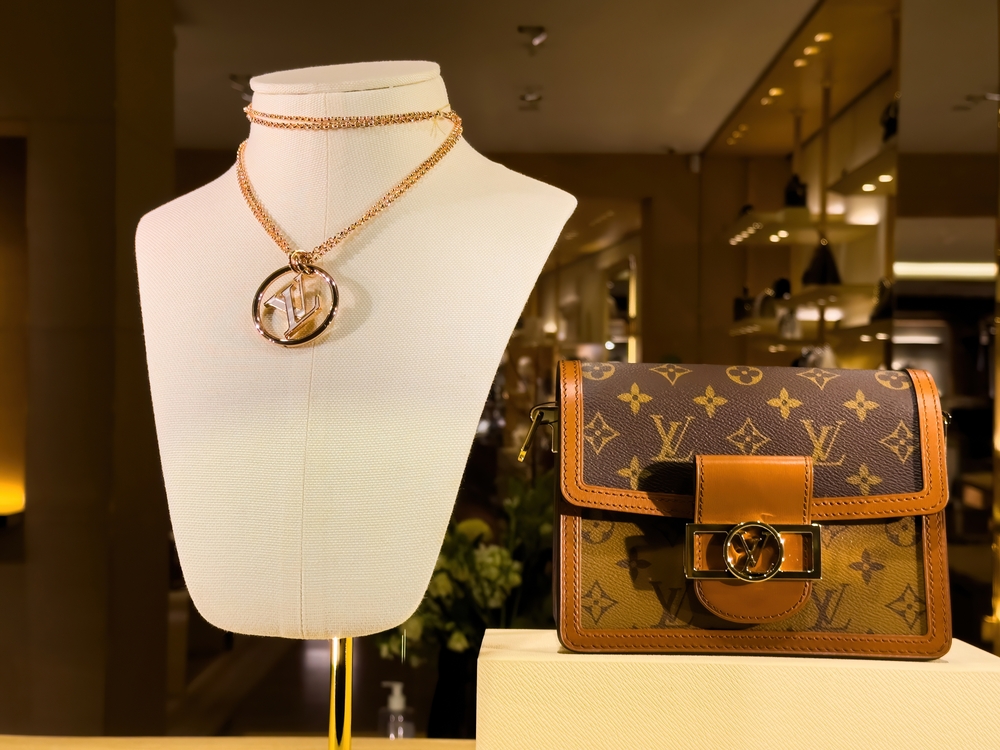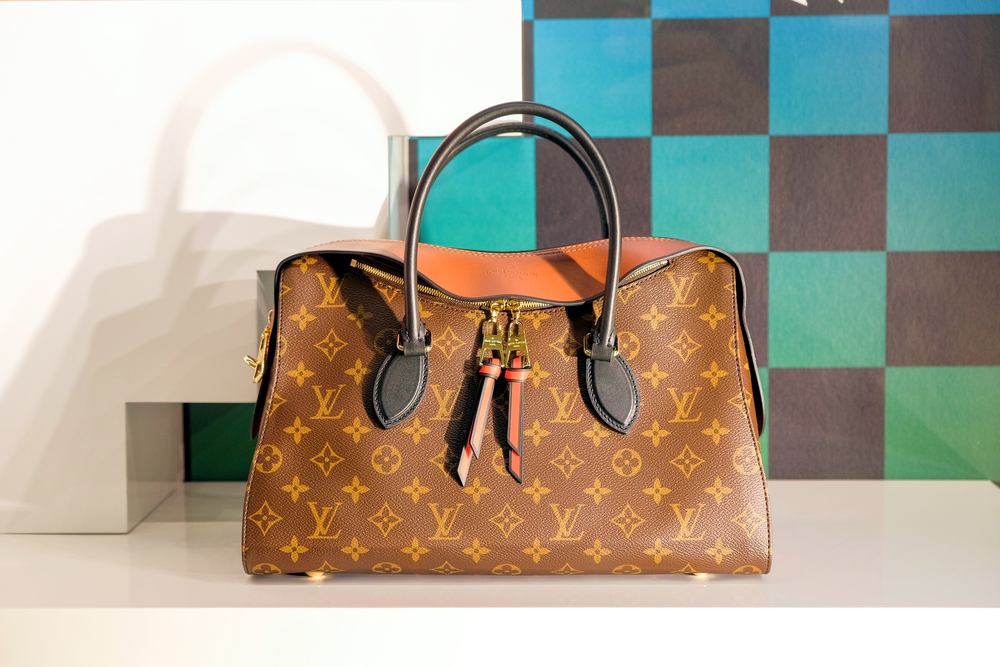
In the world of luxury goods, we are conditioned to equate perfection with authenticity. We expect flawless seams, immaculate patterns, and pristine materials. So, it can be deeply confusing when you’re examining a pre-owned Louis Vuitton bag and find what you think is a flaw—a slightly misaligned stitch, a seam on the side of a Speedy, or Vachetta leather that isn’t a uniform color. Then, you see another bag online. Its pattern is perfectly symmetrical, its handles are a flawless pale tan, and every edge seems machine-made. This second bag must be the real one, right?
This is one of the most dangerous and counterintuitive traps in the world of luxury authentication. The surprising truth is that “perfection” is often the hallmark of a counterfeit. Authentic Louis Vuitton bags are products of human craftsmanship and natural materials. They are handmade by skilled artisans, and this human element introduces subtle, unique characteristics that machine-produced fakes lack. Counterfeiters, on the other hand, prioritize a look of sterile, flawless uniformity because it’s easier and cheaper to produce.
Understanding this paradox is crucial for any savvy buyer. The very “imperfections” that might give you pause are often the very signatures of authenticity. In this guide, we will explore why counterfeit LV bags can look more “perfect” than real ones and teach you how to see beyond the illusion of flawlessness to identify true, handmade luxury.
1. The Human Touch: Handmade vs. Machine-Made
The most fundamental reason for this phenomenon is the difference in production. Authentic Louis Vuitton bags are not churned out on a fully automated assembly line. They are meticulously crafted by hand in workshops located in France, Spain, Italy, and the United States. This human involvement is at the core of the brand’s heritage and value.
The Nuances of Hand Stitching
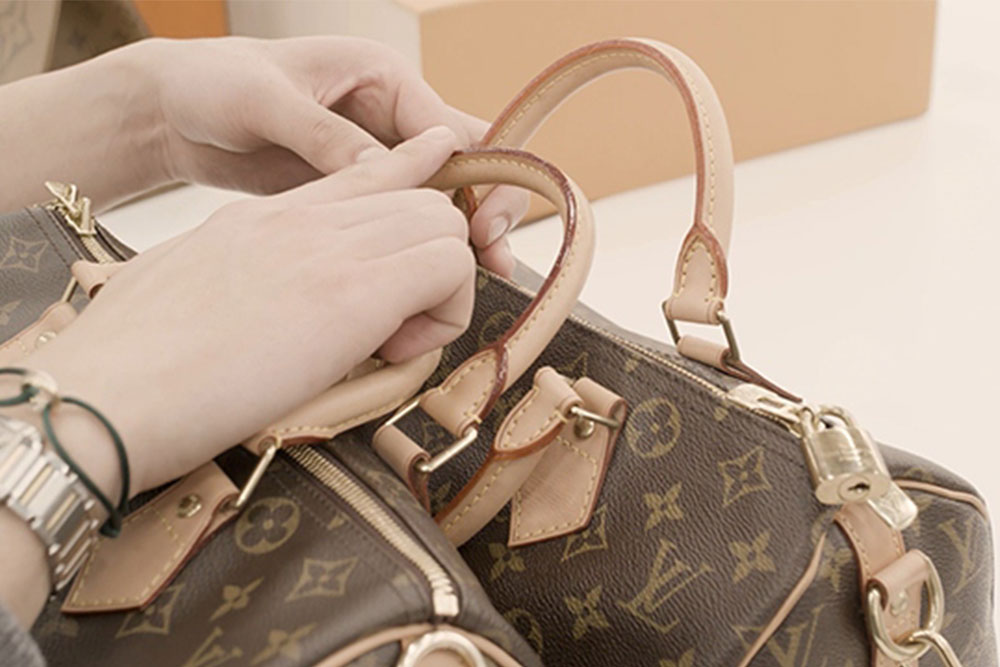
While Louis Vuitton artisans use sewing machines for long seams, much of the detailed work, especially on handles and tabs, is done by hand or with careful guidance.
- Authentic Stitching: An artisan, no matter how skilled, is not a robot. As such, you may find very subtle variations in the stitching on a genuine bag if you look closely enough. The stitches should be incredibly neat and consistent in their angle and spacing, but they possess a character that machine work lacks. The tension is perfect, pulling the thread taut without puckering the leather.
- Counterfeit “Perfection”: Many counterfeit operations rely on fully automated, computer-programmed sewing machines to maximize output. These machines can produce thousands of stitches that are mathematically identical. The result is a row of stitching that looks perfectly uniform and sterile—too perfect. This machine-driven precision often results in a flatter-looking stitch and can lack the correct tension, which is a detail counterfeiters frequently miss.
The Art of Hand Finishing
The details are where LV artisans truly shine. This includes applying edge paint (glazing), attaching hardware, and shaping leather components.
- Authentic Glazing: The protective, rubbery edge paint on handles and leather tabs is applied by hand. On an authentic bag, this glazing is smooth, neat, and usually has a matte or satin finish. Because it’s done by a person, there may be minuscule variations in thickness, but it will never be sloppy, lumpy, or spilling over the edge.
- Counterfeit Glazing: To save time, counterfeiters often use cheap, bright, and overly glossy red or brown paint. They apply it thickly and quickly, resulting in a finish that looks like melted plastic. While it may look “perfectly” shiny and uniform from a distance, up close it’s a sign of a cheap shortcut. Real LV glazing is subtle and functional; fake glazing is loud and decorative.
The human element means that no two authentic Louis Vuitton bags are 100% identical. They are siblings, not clones. This subtle uniqueness is a feature, not a bug.
2. Material Reality: Natural vs. Synthetic
Louis Vuitton prides itself on using high-quality materials, including natural, untreated Vachetta leather. Natural materials have inherent variations and age in unique ways. Counterfeiters opt for synthetic, man-made materials that are cheap and uniform.
The “Flawless” Patina That Isn’t
Vachetta leather trim, handles, and straps are a signature of the brand. This untreated cowhide is designed to age.
- Authentic Vachetta: When brand new, Vachetta leather is a pale, pinkish-beige. It is incredibly sensitive and will absorb oils from your hands, sunlight, and even water. This causes it to darken over time, developing a beautiful, rich honey-colored patina. This process is rarely perfectly uniform. Handles may be darker than straps, and the leather may have water spots or subtle color variations. These are signs of a life well-lived and are hallmarks of authenticity.
- Counterfeit “Vachetta”: Counterfeiters know that buyers look for pale handles on “new” bags. To achieve this, they often use synthetic materials like plastic or PU leather, or a cheap, coated leather that is painted a pale tan color. These materials look “perfectly” pale and uniform when new. However, they will never develop a natural patina. They either stay the same color forever or the paint chips and peels away, revealing the cheap material underneath. A bag that is supposedly vintage but has perfectly pale handles is a massive red flag. The lack of aging is the flaw.
The Perfect Sheen of Plastic Canvas
The iconic Monogram canvas is another area where “perfect” can be fake.
- Authentic Canvas: Real LV coated canvas has a subtle, semi-matte finish with a tangible, grainy texture. It’s designed for durability, not for a high-gloss shine. The colors are rich and warm, but muted.
- Counterfeit Canvas: Fake canvas often has an unnatural, high-gloss sheen that makes it look like cheap vinyl. It feels slick and smooth to the touch, lacking the characteristic grain. This shiny, plasticky perfection is a shortcut to mimic a “new” look, but it betrays the quality of the real material. It looks flawless under harsh lights but feels and looks cheap up close.
3. The Myth of Perfect Pattern Alignment
Pattern alignment is one of the most misunderstood aspects of Louis Vuitton authentication. Yes, LV is meticulous about its pattern placement, but the idea that it must be perfectly symmetrical everywhere on every bag is a myth that counterfeiters exploit.
Strategic vs. Symmetrical Alignment
- Authentic Alignment: Louis Vuitton artisans prioritize the flow and continuity of the monogram pattern across the bag’s main panels. The goal is to make the bag from what appears to be a single, continuous piece of canvas. For example, on a Speedy or Keepall, which are made from one large piece of canvas, the LV logos will be upside down on one side of the bag. The pattern will generally be centered horizontally and vertically on the front and back panels. However, on side seams, pockets, or gussets, the pattern will sometimes be cut off. The artisans make strategic choices, and a cutoff pattern is not necessarily a sign of a fake.
- Counterfeit “Symmetry”: Counterfeiters have latched onto the idea that “perfect symmetry” is what buyers want to see. They will often go to great lengths to make sure the LV logos are perfectly centered on every single panel, including small side pockets or flaps, even if it means using multiple small pieces of canvas and creating extra seams. They prioritize this fake symmetry over the authentic construction method. Seeing a bag where every single element is perfectly mirrored can actually be a sign that it’s a replica designed to fool an untrained eye.
The “No Cut-Off LV” Fallacy
A common myth is that an authentic Louis Vuitton bag will never have an LV logo cut off by a seam. This is false. While LV artisans try to avoid this where possible on prominent areas, it is common to see logos partially cut off by seams, especially around the edges or where different pieces of canvas meet. A fake bag might have “perfect” placement where no LV is ever touched by a seam, which is again, an unnatural level of perfection that doesn’t reflect authentic production.
Our team has helped countless clients understand these nuances. Many reviews on our reviews page come from customers who were initially concerned about an upside-down logo or a slightly cut-off pattern, only to learn it was a sign of authenticity.
4. The Construction Shortcuts of Counterfeiters
Authentic Louis Vuitton bags are constructed with techniques honed over a century of luggage making. Counterfeiters take shortcuts that result in a bag that looks neat and tidy on the surface but lacks the integrity of the real thing.
Seams and Structure
- Authentic Construction (The Speedy Example): A classic Speedy bag is famously made from a single piece of canvas that wraps around the entire body. This means there are no seams on the bottom of the bag. The two main seams are on the far sides. This is an efficient and durable construction method rooted in LV’s history.
- Counterfeit Construction: To save material, counterfeiters often construct the body of a Speedy from multiple pieces of canvas. This means you might find a fake Speedy with seams running along the bottom. To an unsuspecting buyer, this might just look like a different construction style. To an authenticator, it’s an immediate sign of a fake. The fake may look “perfectly” pieced together, but it betrays the authentic, time-honored manufacturing process.
Hardware Application
- Authentic Hardware: Hardware on a genuine bag is attached to last a lifetime. Rivets are pressed with immense force, and screws are specific, high-torque designs. The placement is precise, but it is done by a human operator.
- Counterfeit Hardware: Fakes often use simple Phillips-head screws because they are cheap and easy to source. The hardware might be glued on or attached with less force. The result can look clean and “perfect,” with no stress marks on the surrounding material, but it lacks the robust, permanent attachment of a real bag. The “perfectly” clean application is a sign that it won’t last.
The Bottom Line: Embrace the Imperfect
The key takeaway is to shift your mindset. When examining a Louis Vuitton bag, stop looking for robotic perfection and start looking for signs of human craftsmanship. Look for the character, the subtle variations, and the natural aging that tell the story of a handmade, high-quality object.
Here is a quick comparison:
| Feature | Authentic Louis Vuitton (Handmade Character) | Counterfeit Louis Vuitton (“Perfect” Illusion) |
| Stitching | Extremely neat and even, but with subtle, human variations upon close inspection. Strong tension. | Mechanically identical, often looking flat and sterile. May have incorrect tension. |
| Vachetta Leather | Ages to a natural, sometimes uneven, honey patina. Shows signs of life like water spots. | Stays a “perfectly” pale tan color forever, or the color chips and peels off. Looks unnatural. |
| Canvas | Semi-matte finish with a noticeable grainy texture. | High-gloss, plasticky shine and a smooth, slick feel. Looks unnaturally flawless. |
| Pattern Alignment | Prioritizes flow and continuity. Logos can be upside down or cut off at seams. | Obsessed with perfect symmetry on all panels, which is not how authentic bags are made. |
| Construction | Uses historical, efficient methods (e.g., single canvas piece for a Speedy). | Takes material-saving shortcuts (e.g., seams on the bottom of a Speedy). |
The luxury of a Louis Vuitton bag isn’t in sterile flawlessness; it’s in the hours of skilled labor, the quality of the natural materials, and the century of heritage behind its design. These things simply cannot be replicated by a machine or a low-cost factory.
Don’t Be Fooled by Flawlessness
The counterfeit market is built on deception, and one of the most effective deceptions is creating an illusion of perfection that preys on the assumptions of buyers. “Superfakes” are better than ever, and telling the difference between the character of a handmade item and the error of a fake requires a highly trained eye.
Why guess? If you’re looking at a pre-owned bag and something feels “too perfect,” it’s time to seek a professional opinion. Our experts at ProAuthenticators understand the difference between a fingerprint of authenticity and a red flag of forgery. We know what a real stitch looks like, how real Vachetta should feel, and where the patterns are supposed to be cut.
Protect yourself from the illusion of perfection. Visit our services and pricing page to get a definitive authentication. Carry your bag with the confidence that comes from knowing its subtle “imperfections” are the very things that make it a perfect example of true luxury craftsmanship.
Louis Vuitton Authentication made easy!
You are unsure if you are looking at an authentic or fake LV? We offer the quickest and the most accurate way to get it authenticated for your peace of mind.
Authenticate Now