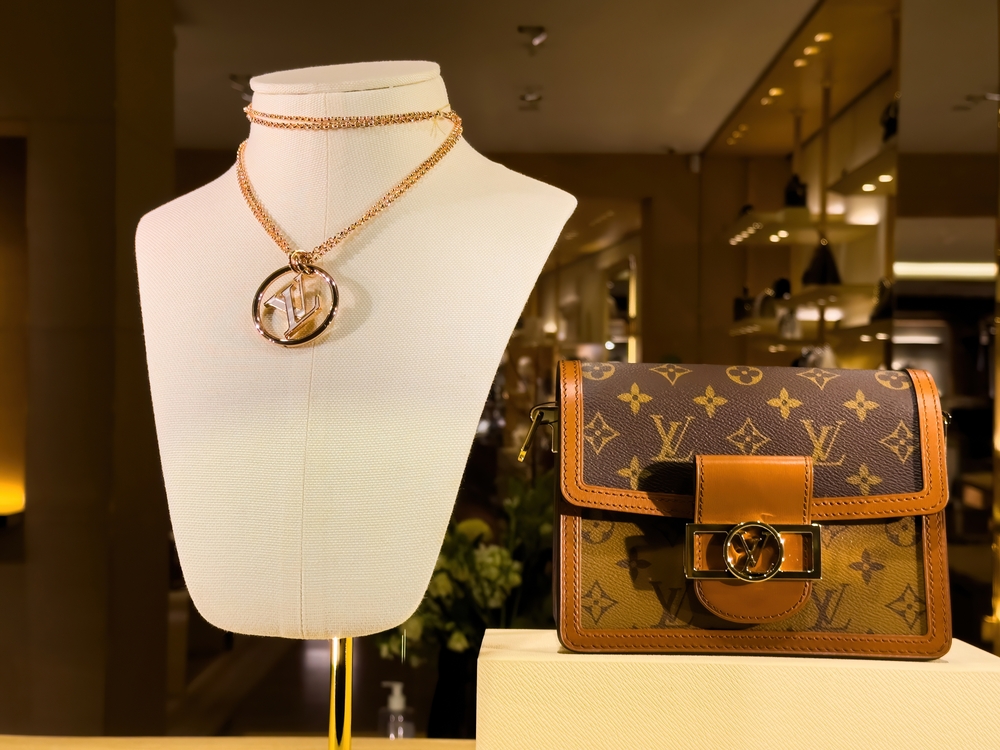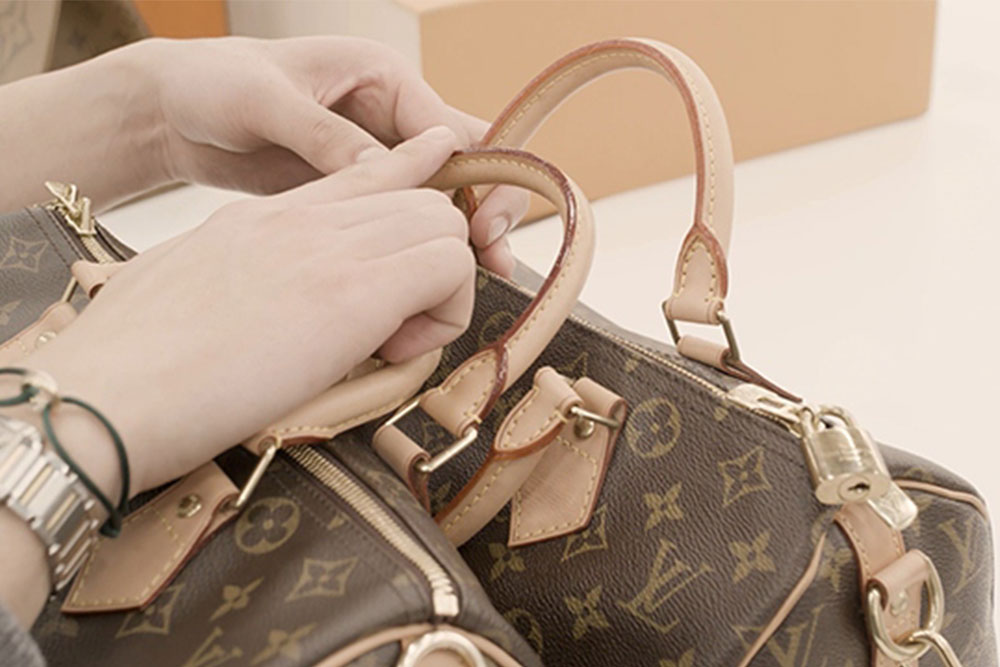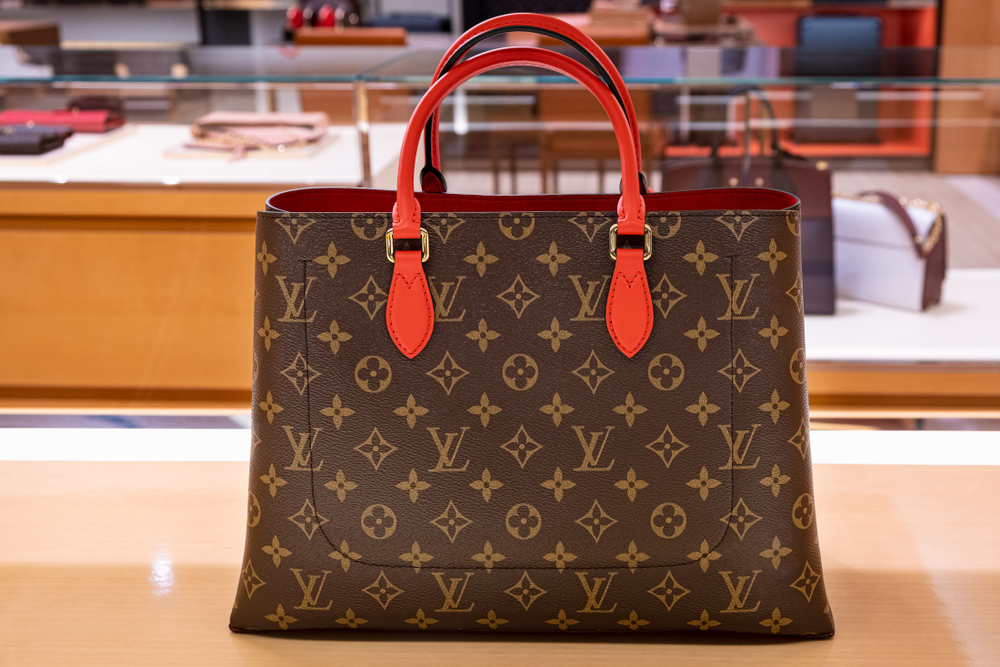
The iconic Louis Vuitton monogram is more than just a pattern; it’s a symbol of luxury, craftsmanship, and a heritage spanning over a century. For enthusiasts and collectors, the precise placement of the LV initials, quatrefoils, and flowers is a key indicator of authenticity. Counterfeiters often try to replicate this famous design, but they frequently fail to capture the meticulous symmetry and consistency that define a genuine piece. Understanding the nuances of monogram alignment is one of the most powerful skills you can develop in your journey to becoming a discerning LV owner.
Monogram alignment is a critical aspect of the authentication process. It refers to how the pattern is placed across the entire bag, especially across seams, pockets, and hardware. Louis Vuitton is renowned for its exceptional attention to detail, and this extends to ensuring the monogram flows seamlessly and symmetrically. However, many myths and misconceptions surround this topic. Not every authentic bag has perfect, mirrored alignment from side to side. Certain styles, production periods, and materials can influence the final look. This guide will explore what is acceptable in genuine LV pieces, what is a definite red flag, and how you can use this knowledge to protect yourself from fakes.
The Foundation of LV Monogram Alignment
Before diving into specifics, it’s crucial to understand why monogram alignment is so important to the Louis Vuitton brand. The LV monogram canvas, first introduced in 1896 by Georges Vuitton, was designed to be beautiful, distinctive, and difficult to copy. The pattern itself is a work of art, and its application onto a three-dimensional object is a testament to the skill of LV artisans.
The classic Monogram Canvas is typically made from a single, continuous piece of coated canvas that wraps around the body of the bag. This is most evident in iconic styles like the Speedy and Keepall. This construction method means the monogram pattern will be right-side up on one side of the bag and upside-down on the other. This is not a flaw; it is a hallmark of authentic construction for these specific models.
Key Principles of Authentic Alignment
Louis Vuitton’s artisans follow a set of unspoken rules to ensure a high level of consistency. While there are exceptions, these general principles hold true for the majority of their monogrammed items:
- Symmetry is Paramount: The pattern should be symmetrical and centered, both horizontally and vertically. On a bag like the Neverfull, the pattern should mirror itself from the left to the right side of the bag. The two LV initials on the far left should be a mirror image of the two on the far right.
- Seamless Flow: Where possible, the pattern should flow uninterrupted across seams. If a pocket is sewn onto the front of a bag, the monogram pattern on the pocket should align perfectly with the pattern behind it.
- Strategic Placement: The LV initials are rarely cut off at the edges or seams. Louis Vuitton designers are masters of pattern placement, ensuring the most prominent logos remain whole. You will almost never see a seam running directly through the middle of an “LV” logo on an authentic bag. The quatrefoils and flowers, however, are often cut.
- Consistency Across a Style: While minor variations can occur, bags of the same style from the same era should have nearly identical monogram placement. A Speedy 30 from 2010 should have the same pattern placement as another Speedy 30 from that same year.
Understanding these foundational principles is the first step in learning to distinguish a well-crafted, genuine Louis Vuitton piece from a poorly made counterfeit.
What is Acceptable Monogram Alignment in Authentic LV?
One of the biggest misconceptions in the luxury world is that every authentic Louis Vuitton bag has flawless, perfectly mirrored monogram placement. While LV strives for perfection, the reality is that acceptable variations exist. Knowing the difference between a normal variation and a red flag is key.
The Single Piece of Canvas Rule
As mentioned earlier, many popular LV bags are crafted from one continuous piece of canvas. This includes the Speedy, Keepall, Alma (in Monogram), and Pochette Accessoires.
- Upside-Down Monograms: Because the canvas wraps around from front to back, the monogram will be oriented correctly on one side and upside-down on the other. If you see a Speedy with an upside-down monogram on the back, this is a strong sign of authenticity, not a defect. Many counterfeiters miss this detail and use two separate pieces of canvas, resulting in the monogram being right-side up on both sides.
Acceptable Imperfections and Variations
Even within Louis Vuitton’s strict quality control, minor deviations can and do occur. These are not signs of a fake but rather nuances of the manufacturing process.
- Slight Shifting: On some bags, the monogram alignment might be off by a millimeter or two. This can happen during the sewing process. The pattern on a front pocket might not be 100% perfectly aligned with the body behind it, but it will be very close. A significant, obvious misalignment is a red flag, but a minuscule shift is often acceptable.
- Stretching Near Seams: When canvas is stitched, especially around curves and corners, the pattern can appear slightly stretched or compressed. This is a natural result of shaping the material and is common on authentic bags, particularly on styles with a lot of curved seams like the Alma.
- Edge Placement: While LV avoids cutting through the LV logo itself, the floral and star motifs are frequently cut off at the top, bottom, and side edges of a bag. The placement of these cuts should still be symmetrical. For example, if a half-flower appears on the top left corner, a corresponding half-flower should appear on the top right corner.
How Different Styles Affect Alignment
Monogram placement is not a one-size-fits-all rule. It varies significantly depending on the style of the bag.
- Neverfull: This tote bag is a great example of horizontal symmetry. The pattern should be centered, with the row of floral motifs running perfectly along the bottom seam. The pattern mirrors itself from the left side to the right side.
- Alma: The domed shape of the Alma presents a challenge for pattern placement. You will often see the monogram slightly distorted around the curves. However, the placement should still be symmetrical. Look at where the pattern meets the leather base and the zipper.
- Pochette Métis: This bag is made from multiple pieces of canvas. The flap, front pocket, and body are separate. As such, you cannot expect a continuous flow of the pattern from the flap to the body. However, the pattern on each individual piece should be perfectly centered and symmetrical. The top flap, for example, should have a centered and balanced pattern.
Understanding these acceptable variations helps prevent you from dismissing a genuine bag due to a minor, normal imperfection.
Common Monogram Alignment Issues in Counterfeit Bags
Counterfeit manufacturers have become more sophisticated over the years, but monogram alignment remains one of the most difficult details for them to perfect. It requires a level of precision, material quality, and craftsmanship that they are unwilling or unable to invest in. Spotting these alignment flaws is often the quickest way to identify a fake.
Gross Misalignment and Asymmetry
The most obvious sign of a counterfeit is a complete lack of symmetry.
- Off-Center Patterns: On many fakes, the entire monogram pattern will be shifted to one side. Instead of being perfectly centered, you might see a full LV logo on one edge and a cut-off flower on the other. An authentic bag will always prioritize a balanced, centered layout.
- Mismatched Sides: Lay a bag flat and look at it from the front. The pattern on the left side should be a mirror image of the right. Counterfeiters often use randomly cut pieces of canvas, leading to a haphazard and asymmetrical appearance. For example, you might see a full quatrefoil on the bottom left but only half of one on the bottom right.
Cut-Off LV Logos
This is one of the cardinal sins in the world of Louis Vuitton. A genuine LV will almost never have its primary “LV” logo cut in half by a seam, handle patch, or edge.
- Seams Running Through LVs: Look closely at all the seams on the bag. If you find a stitch line going directly through the “LV” initials, you are almost certainly looking at a fake. Artisans at Louis Vuitton are trained to meticulously plan their cuts to avoid this.
- Logos Hidden Under Hardware: Pay attention to where the handle tabs (chapes) are placed. On an authentic bag, these leather tabs are positioned so they do not cover the LV logos. Fakes often have sloppy placement, with handle patches or other hardware awkwardly placed on top of the main logo.
Incorrect Pattern Flow and Tiling
Counterfeiters often use lower-quality printed canvas where the pattern repeat is incorrect.
- Awkward Tiling: The Louis Vuitton monogram is a repeating pattern, but it’s a very specific one. On fakes, the “tiling” or repeat of the pattern can be off. The spacing between the motifs might be too large or too small.
- No Upside-Down Monograms: As mentioned, counterfeiters often fail to replicate the single-piece canvas construction of bags like the Speedy. They will use two pieces, so the monogram is facing up on both the front and back. This is a dead giveaway for those specific styles.
- Pocket Misalignment: Check any exterior pockets. A fake bag will often have a pocket where the monogram pattern is completely unrelated to the pattern on the bag’s body behind it. An authentic bag’s pocket will look like it was cut from the exact same spot, creating an almost invisible effect.
Crooked and Slanted Patterns
This is a sign of poor overall construction. When examining a bag, place it on a flat surface and look at it from a distance.
- Slanted Rows: The horizontal rows of monograms should run perfectly parallel to the top and bottom of the bag. On many counterfeits, these rows will appear slanted or crooked, dipping down in the middle or running uphill toward one side. This indicates the canvas was not applied correctly to the bag’s structure.
By training your eye to spot these common counterfeit mistakes, you can quickly weed out the obvious fakes and focus your attention on the more subtle details.
How to Spot Misaligned Monograms: A Practical Checklist
Now that you know what to look for, let’s put it into practice. When you are examining a Louis Vuitton monogram piece, follow this systematic approach to evaluate the alignment.
Step 1: The Overall View
Start by looking at the bag as a whole. Place it on a table and step back.
- Check for Symmetry: Does the bag look balanced? Is the pattern on the left a mirror of the pattern on the right?
- Check for Centering: Is the pattern centered vertically and horizontally? On a Neverfull, for instance, you should see the same amount of pattern on the far left and far right edges.
- Look for Crookedness: Are the horizontal rows of symbols straight and parallel to the bag’s base? Or do they appear to slant?
Step 2: Examine the Seams
Next, get up close and inspect every seam.
- Are LV Logos Cut? Scrutinize the vertical seams on the sides and any horizontal seams on the base. Is the “LV” logo ever sliced in half? Remember, this is a major red flag.
- Does the Pattern Match Across Seams? On bags with a bottom seam (like some totes made from two pieces of canvas), does the pattern align where the front and back panels meet? While it may not be perfect, it should be very close.
Step 3: Inspect Pockets and Flaps
If the bag has exterior pockets or a front flap, this is a critical area to check.
- Pocket Alignment: Look at the monogram on the pocket. Does it align with the monogram on the body of the bag behind it? For an authentic piece, the alignment should be nearly seamless.
- Flap Centering: On a bag like the Pochette Métis or Croisette, the pattern on the flap should be perfectly centered. The main motif should be right in the middle of the flap.
Step 4: Look Under the Hardware
Carefully examine the areas around and under the hardware.
- Handle and Strap Tabs: Check the leather tabs (chapes) that anchor the handles or straps. Are they placed thoughtfully between the LV logos, or are they slapped on top of them? Authentic placement is deliberate.
- Zipper Placement: On a bag with a top zipper, see how the pattern lines up on either side of the zipper. It should be symmetrical. For example, if you see a row of quatrefoils just below the zipper on one side, you should see the same on the other.
Step 5: Don’t Forget the “Upside-Down” Rule
If you are looking at a Speedy, Keepall, Alma, or a similar style, immediately flip it over.
- Check the Back: Is the monogram pattern upside-down on the back? If yes, that’s a good sign. If it’s right-side up, and the bag has no bottom seam, it’s a definite fake.
By following these steps, you build a comprehensive picture of the bag’s quality and authenticity. Each check adds another piece to the puzzle. While a single minor flaw might be an acceptable variation, a combination of several of these issues points strongly toward a counterfeit.
The Role of Professional Authentication Services
While learning to spot alignment issues is an invaluable skill, the world of counterfeits is constantly evolving. Super fakes, also known as mirror copies, can be incredibly difficult to distinguish from the real thing. They may get the alignment nearly perfect, fooling even experienced enthusiasts. Sometimes, peace of mind is worth more than any self-assessment.
This is where professional authentication services become essential. At ProAuthenticators, our team is composed of experts who have spent years studying Louis Vuitton products. We have access to extensive databases of authentic items from different eras, allowing us to compare even the most subtle details.
When it comes to monogram alignment, we go beyond a simple visual check. We understand the specific alignment maps for hundreds of different LV styles and production years. We know what constitutes an acceptable factory variation for a 2005 Speedy versus a 2020 Pochette Métis. This level of granular knowledge is nearly impossible for an individual to acquire without years of dedicated experience. If you are investing a significant amount of money into a pre-loved Louis Vuitton piece, getting a professional opinion is a small price to pay for security. Our services and pricing are designed to be accessible and provide you with a definitive answer on your item’s authenticity.
Don’t just take our word for it. Our clients consistently praise the thoroughness and accuracy of our authentications. Many have been saved from costly mistakes by trusting our expertise. You can read some of their stories on our reviews page. Their experiences highlight the importance of a professional second opinion when navigating the complexities of the resale market. From spotting subtle font differences to catching near-perfect fakes, an expert eye can make all the difference.
Conclusion: Alignment as a Pillar of Authenticity
Monogram alignment is far more than an aesthetic choice; it is a direct reflection of Louis Vuitton’s commitment to unparalleled craftsmanship. The symmetry, precision, and thoughtful placement of the iconic pattern are hallmarks of a genuine product. While counterfeiters may try to imitate the look, they consistently fall short in execution.
By learning to identify the signs of authentic alignment—such as symmetry, centered patterns, and the correct orientation on single-canvas bags—you empower yourself as a consumer. Equally important is knowing the common red flags of fakes, including cut-off LV logos, crooked rows, and haphazard placement.
However, as counterfeiters get smarter, self-authentication becomes riskier. For absolute certainty, especially when making a significant purchase, turning to a professional is the wisest course of action. An expert can verify details that the untrained eye might miss, providing you with the confidence that your cherished piece is, without a doubt, authentic. Mastering the art of evaluating monogram alignment is a crucial step, but pairing that knowledge with professional verification is the ultimate way to protect your investment and celebrate the true artistry of Louis Vuitton.
Louis Vuitton Authentication made easy!
You are unsure if you are looking at an authentic or fake LV? We offer the quickest and the most accurate way to get it authenticated for your peace of mind.
Authenticate Now