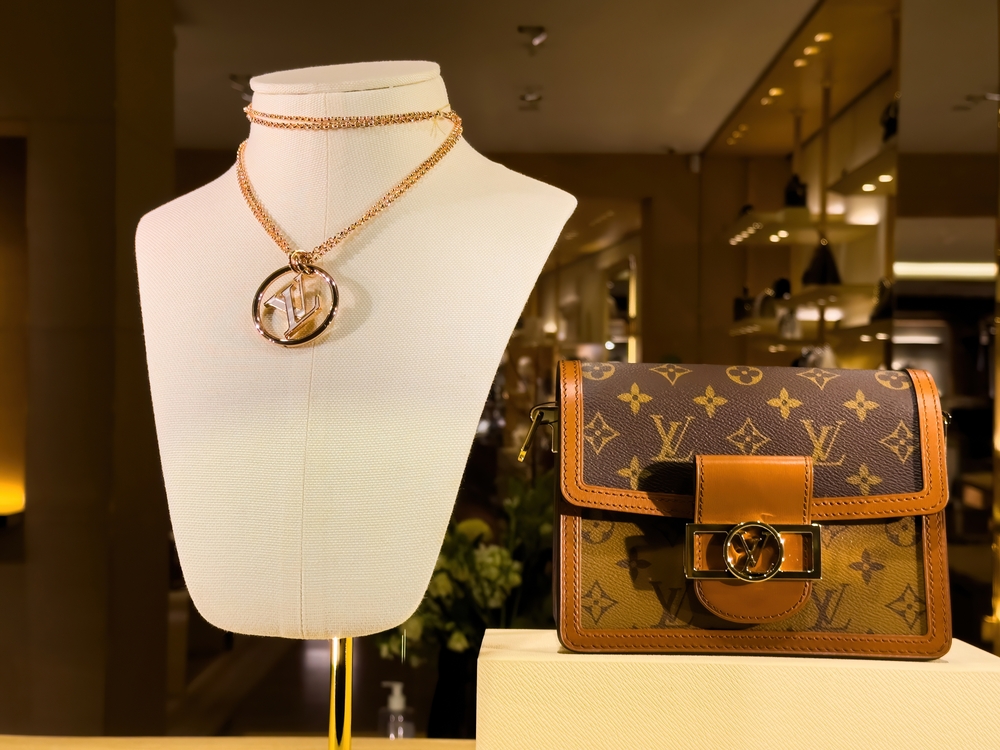
In the world of pre-owned luxury, a Louis Vuitton bag is more than just an accessory; it’s a piece of history, a symbol of meticulous craftsmanship, and often, a significant investment. As collectors and enthusiasts, we are drawn to the brand’s timeless designs and heritage. However, the secondary market has seen a growing trend of customization, specifically the practice of dyeing or significantly altering Louis Vuitton items. While these modifications can be an attempt to refresh a tired bag or create a unique look, they present a major challenge for professional authenticators.
At Pro Authenticators, we have a firm policy: we do not certify dyed or altered Louis Vuitton items. This isn’t a matter of taste or a judgment on personal style. It is a decision rooted in our unwavering commitment to accuracy, integrity, and the preservation of brand standards. When an item is fundamentally changed from its original state, its authenticity becomes difficult, if not impossible, to verify with the certainty our clients deserve.
This guide will explain in detail why we adhere to this strict policy. We will explore how alterations compromise the key markers we use for authentication, discuss the risks associated with buying or selling these modified items, and clarify what this means for you as a consumer. Understanding our process is key to navigating the luxury market safely and protecting your investments.
The Foundation of Authentication: What We Look For
To understand why we reject altered items, it’s essential to first understand how we authenticate a standard Louis Vuitton piece. Our process is a forensic examination of specific, brand-controlled characteristics. We rely on a collection of data points that, when viewed together, create a complete picture of the item’s legitimacy.
These key markers include:
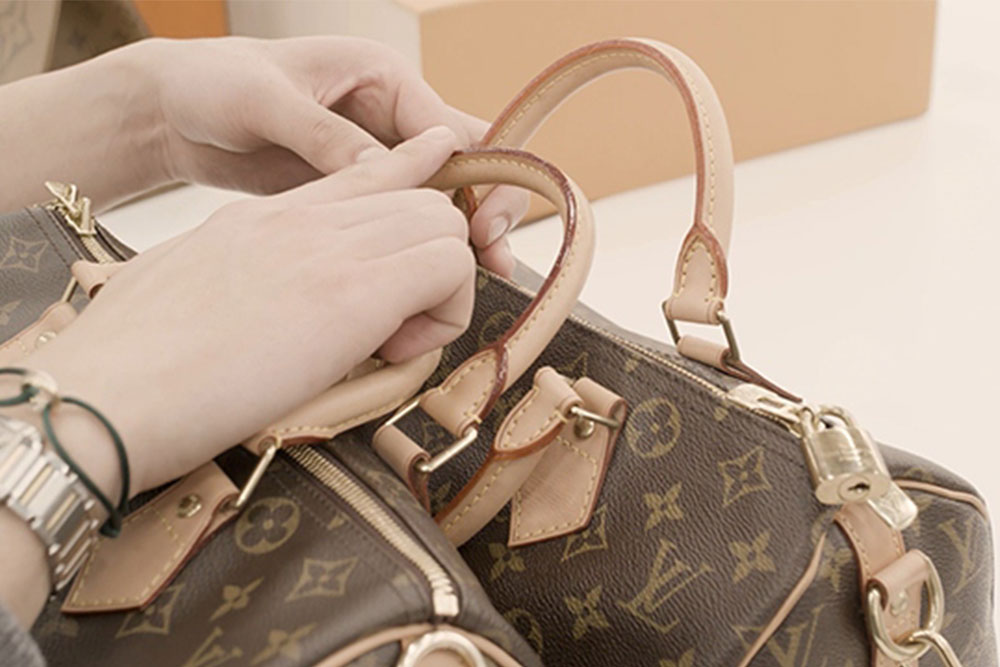
- Vachetta Leather: The untreated cowhide leather used for handles and trim is one of LV’s most iconic materials. We examine its color, patina development, and the way it’s stitched.
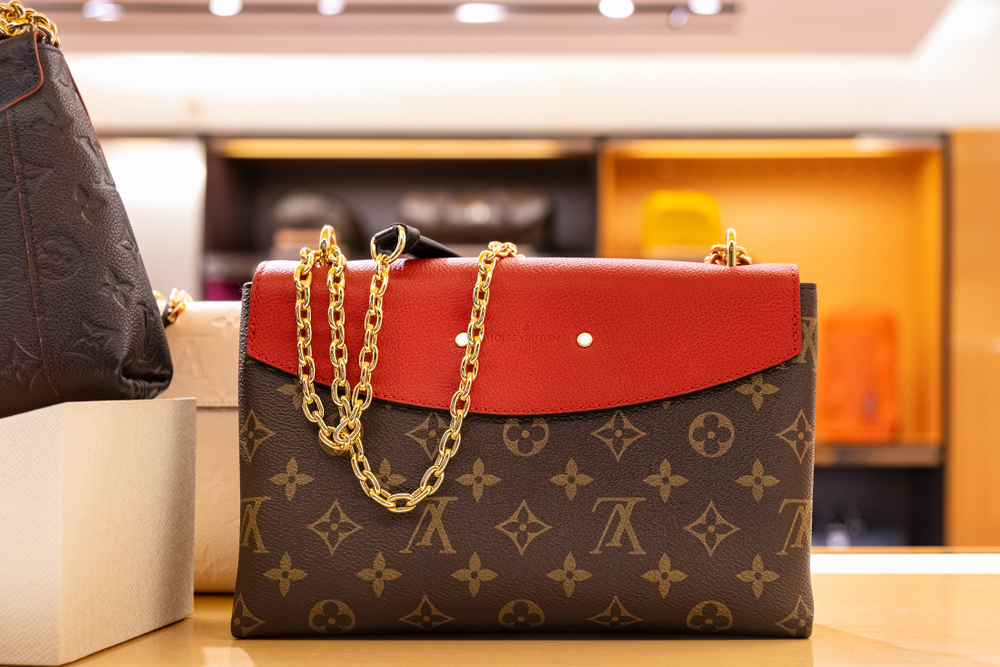
- Canvas Integrity: The famous Monogram or Damier canvas has a specific texture, sheen, and color tone that counterfeiters struggle to replicate perfectly.
- Heat Stamps: The “Louis Vuitton Paris” stamp found inside the bag has a precise font, spacing, and depth. The “R” in the registered trademark symbol, for example, has a unique leg.
- Date Codes: These alphanumeric codes indicate the factory and production period. This allows us to cross-reference the bag’s features with the manufacturing standards of that specific time.
- Hardware: The zippers, rivets, and clasps have specific engravings, weights, and finishes that are consistent with the brand’s production.
Authentication is like solving a puzzle. Each of these pieces must fit together perfectly. When one piece is missing or has been tampered with, the entire puzzle is compromised.
How Dyeing and Alterations Destroy Key Evidence
When a Louis Vuitton item is dyed or altered by a third party, it undergoes a transformation that permanently destroys the critical evidence we need to conduct a reliable assessment. Let’s break down exactly how these modifications interfere with our process.
1. Dyeing Obscures Vachetta and Canvas Integrity
The most common alteration we see is the dyeing of the Vachetta leather trim and handles. Owners often do this to cover up water stains, dirt, or an uneven patina. While the intention may be to “restore” the bag, the process causes irreversible damage to its authenticating features.
- Destruction of Patina: The natural, honey-colored patina that Vachetta develops over time is a hallmark of an authentic, aged piece. Dyeing completely covers this, replacing a natural process with an artificial coating.
- Clogging the Grain: Dye and the sealants used with it fill in the natural grain of the leather. This makes it impossible for us to assess the leather’s original quality and texture—a key differentiator between genuine LV Vachetta and the cheaper leather used on fakes.
- Altering Stitching: The dye seeps into the waxed linen thread used by Louis Vuitton. It can change the thread’s color and texture, obscuring the precise stitch count and pattern we need to inspect.
- Covering Heat Stamps: If a heat stamp is located on a dyed piece of Vachetta, the paint can fill in the letters, making it impossible to analyze the font, depth, and spacing.
Similarly, dyeing the canvas is a red flag. It changes the original color palette and sheen, making it impossible to compare against our database of authentic canvas samples.
2. Third-Party Repairs Introduce Non-Standard Materials
Another common alteration is the replacement of parts by a non-LV repair service. This could be anything from a new zipper to replaced handles or a completely new interior lining.
- Generic Hardware: A local cobbler will use a generic zipper, not the branded ones Louis Vuitton uses. This introduces a major “tell” for a fake, but in this case, it’s just a non-original part. We cannot certify an item that contains counterfeit or unbranded components.
- Incorrect Stitching: If a handle is replaced, the new stitching will not match the precise, machine-and-hand-finished work of the Louis Vuitton atelier. This creates inconsistencies that make a definitive authentication impossible.
- Loss of Date Codes: If the lining is replaced, the original date code is often lost forever. Without this crucial piece of information, we lose the ability to verify the item’s production history.
An item that has been “Frankensteined” with parts from various sources is no longer a true Louis Vuitton product. It is a hybrid object that we cannot stand behind with a certificate of authenticity.
3. Embellishments and “Upcycling”
The trend of adding custom artwork, patches, or other embellishments also falls under our policy for altered luxury items. While a painted-on design might seem harmless, it can obscure the canvas pattern underneath.
More significantly, the practice of “upcycling”—where an old, authentic bag is cut up to create smaller items like keychains, wallets, or watch straps—results in products we cannot certify. While the material may have originated from an authentic LV bag, the final product was not made by Louis Vuitton. We can only authenticate items in their original, brand-manufactured form.
The Risks of Buying or Selling Altered Louis Vuitton Items
Our policy is designed not only to maintain our standards but also to protect consumers. Buying or selling dyed Louis Vuitton items carries significant risks that many are unaware of.
For Buyers: You’re Buying a Compromised Product
- Unverifiable Authenticity: As we’ve detailed, an altered item exists in a state of limbo. No reputable service will be able to guarantee its authenticity. You are essentially buying an item on faith, with no way to prove it’s real. Scammers can use this ambiguity to their advantage, dyeing a high-quality counterfeit to hide its flaws and passing it off as a “customized” authentic piece.
- Drastically Reduced Resale Value: You might get a “good deal” on a dyed bag, but its resale value is virtually zero. The pool of potential buyers shrinks dramatically. Experienced collectors will not touch it, and you cannot sell it on major consignment platforms, as they also have policies against altered goods. You are likely buying an item that you can never resell for a significant portion of its purchase price.
- Potential for Poor Quality Workmanship: The dye job might look good in photos, but in person, it can be a disaster. Common issues include a sticky or tacky finish, cracking or peeling paint, and dye rubbing off on your clothes. These are not repairs you can take to Louis Vuitton; they will refuse to service a bag that has been altered by a third party.
For Sellers: You’re Selling a High-Risk Item
- Liability for Disputes: If you sell a dyed bag, you open yourself up to “item not as described” claims. A buyer could argue that they were not aware the dye job would be sticky or that the alteration voided the item’s luxury status. Since you cannot provide a certificate of authenticity, you have little defense in a dispute.
- Reputation Damage: If you are a regular reseller, selling altered goods can damage your reputation. Serious buyers will see you as a source of compromised, low-value items and will take their business elsewhere.
- Limited Sales Avenues: You will be barred from selling on reputable platforms. You’ll be relegated to marketplaces with less buyer protection, which often attracts more disputes and difficult customers.
Pro Authenticators’ Commitment to Uncompromising Integrity
Our refusal to certify these items is a cornerstone of our business philosophy. When you purchase one of our services, you are paying for certainty. Our name is on that certificate, and our reputation is on the line.
- We Guarantee Our Verdicts: We offer financial guarantees on our certificates. If we certify an item as authentic and it is later proven to be fake by a verified authority, we stand behind our call. We cannot offer such a guarantee for an item whose key authenticating features have been destroyed. It would be irresponsible for us to do so.
- We Protect the Market: By refusing to certify altered goods, we help maintain a clear standard in the secondary market. It encourages consumers to value luxury items for their original craftsmanship, not for trendy, aftermarket modifications that compromise their integrity.
- We Provide Clear and Honest Communication: If you submit an item that has been dyed or altered, we won’t just reject it without explanation. We will inform you that we cannot proceed with authentication because of the alterations and explain why. This educational component is part of our service.
This commitment to integrity is why thousands of clients trust us with their most valuable items. They know that a certificate from Pro Authenticators is a definitive statement backed by expertise and rigorous standards. You can read about their experiences on our reviews page, where clients often praise our thoroughness and honesty.
What Are Your Options If You Have an Altered Item?
If you already own a dyed or altered Louis Vuitton bag, it can be disheartening to learn that it cannot be professionally authenticated. However, you still have options.
- Enjoy It for What It Is: If you love the look of the bag, continue to use and enjoy it. Just be aware of its limitations. Understand that it is a “custom” piece, not a verifiable luxury collectible.
- Disclose Everything if You Sell: If you decide to sell it, be brutally honest in your description. Use terms like “customized,” “dyed Vachetta,” or “repaired by a third party.” Take clear photos of the alterations. Price it accordingly, understanding it will fetch a much lower price than an unaltered equivalent.
- Learn from the Experience: Use this as a lesson for future purchases. Always ask a seller if an item has been altered, repaired, or dyed. Scrutinize photos for any signs of unnatural color or texture. If a deal seems too good to be true, it might be because the item has a hidden history of alterations.
Our Services: Designed for Clarity and Protection
We offer a range of services to help you navigate the complexities of the luxury market. Whether you’re considering a purchase or evaluating an item you already own, we can provide the clarity you need.
On our Services & Pricing page, you will find options for different levels of authentication. Before you buy an item you suspect may be altered, you can use our services to have an expert look at the listing photos. We can often spot signs of dyeing or repairs from the seller’s images and warn you before you make a costly mistake.
If you submit an item that we determine to be altered and thus un-authenticatable, we will have saved you from relying on a false sense of security. Knowing that your item is in an “inconclusive” state is valuable information that guides your future decisions.
Conclusion: Upholding the Legacy of Craftsmanship
The policy of not certifying dyed or altered Louis Vuitton items is not meant to be restrictive; it is meant to be protective. It protects you, the consumer, from purchasing a compromised item with no resale value. It protects the integrity of the authentication industry by ensuring certificates are based on verifiable evidence. And it protects the legacy of Louis Vuitton’s craftsmanship by valuing items as they were intended to be made.
A genuine Louis Vuitton bag is a work of art. Its value lies in the quality of its original materials and the skill of the artisans who created it. When third-party alterations erase those details, the essence of the item is lost.
At Pro Authenticators, we are passionate about preserving these standards. We are here to provide you with the confidence and peace of mind that comes from a guaranteed, evidence-based authentication. Before you invest in your next pre-loved luxury piece, let our experts ensure you’re getting the real, unaltered deal.
Louis Vuitton Authentication made easy!
You are unsure if you are looking at an authentic or fake LV? We offer the quickest and the most accurate way to get it authenticated for your peace of mind.
Authenticate Now