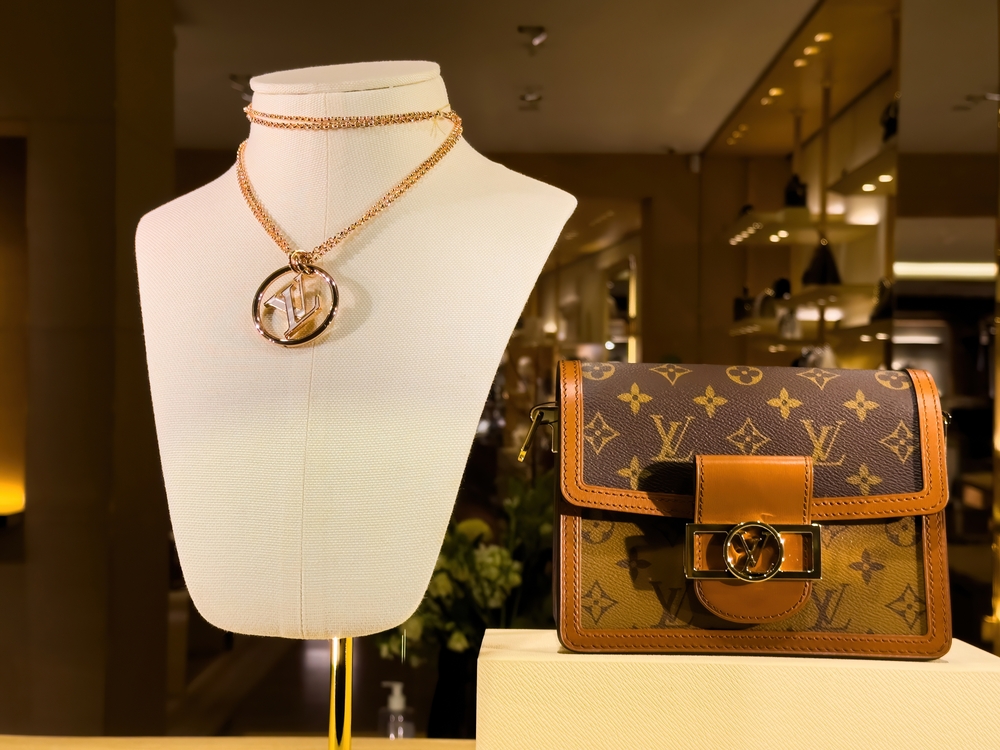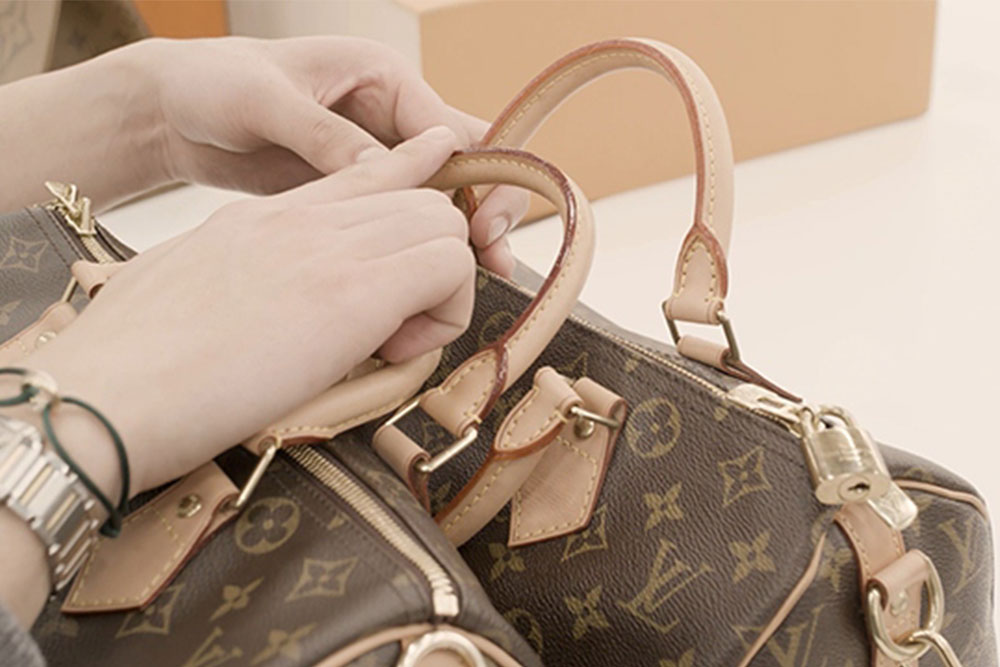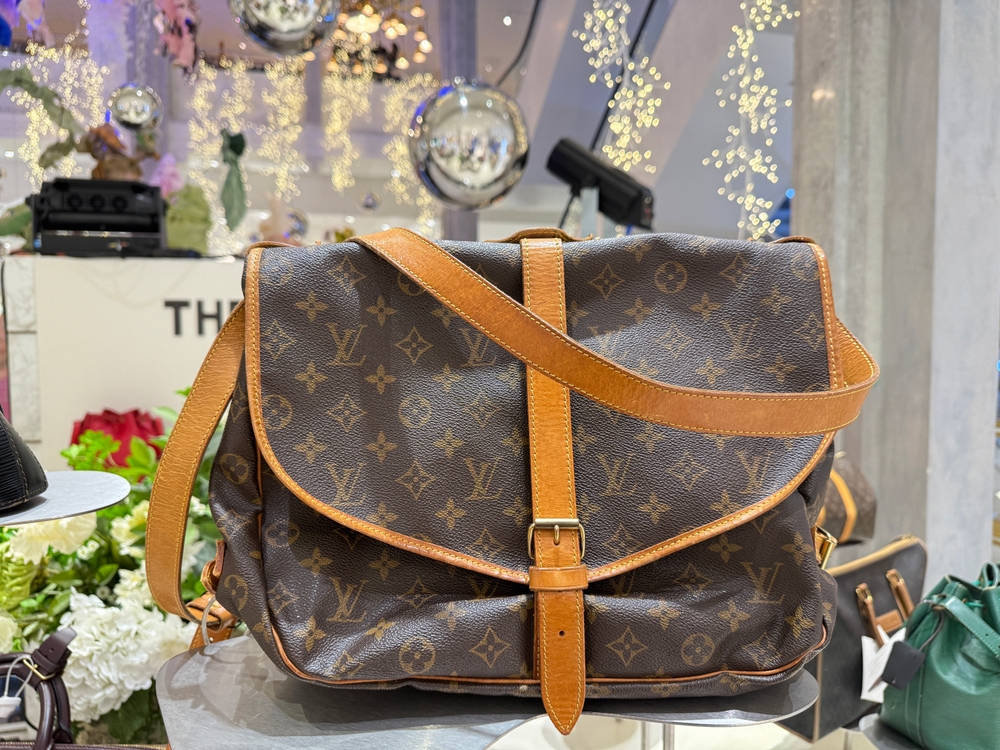
The allure of vintage Louis Vuitton is undeniable. There is something profoundly special about carrying a piece of history—a Speedy that traveled through the 80s, a Noé bucket bag that has developed a rich, honey-colored patina over decades, or a rare trunk that whispers stories of a bygone era of travel. For collectors and fashion enthusiasts, vintage LV represents not just a style statement, but a connection to the heritage of the world’s most famous luxury house.
However, navigating the market for vintage Louis Vuitton brings a unique set of challenges that simply don’t exist when buying a brand-new bag from a boutique. While modern authentication often relies on strict uniformity and standardized production codes, vintage authentication is far more nuanced. It is a detective game played against the backdrop of history, where rules change depending on the decade, the factory, and even the specific licensing agreements in place at the time.
Authenticating a bag from 2023 is a science; authenticating a bag from 1978 is an art form supported by deep historical knowledge. The variability in production standards, the evolution of materials, and the lack of documentation for older pieces make the process significantly more complex. This guide explores why vintage Louis Vuitton items are so difficult to verify and why they require a specialized eye to ensure you aren’t investing in a piece of history that never actually existed.
The Evolution of “Standard” in Luxury Manufacturing
To understand why vintage authentication is difficult, we first need to acknowledge that Louis Vuitton, as a global manufacturing powerhouse, looked very different forty or fifty years ago. Today, luxury manufacturing is characterized by extreme precision and standardization. A Neverfull made in France today will look nearly identical to one made in Texas or Spain, down to the stitch count.
In the vintage era—specifically before the mid-1980s—manufacturing was less centralized and automated. While the commitment to quality was always present, the rigid standardization we see today hadn’t fully taken hold. This means that legitimate variations exist in vintage bags that would be considered flaws in modern ones.
The Human Element
Vintage bags were often more handmade than their modern counterparts. While technology assists today’s artisans, earlier decades relied more heavily on manual craftsmanship for every stage of production. This introduces the “human element” into authentication. You might find slightly different stitch tensions or minor variations in how a handle was attached. An authenticator cannot simply look for “perfection” in the modern sense; they must understand what level of variation was acceptable craftsmanship for a specific era.
The Date Code Dilemma
For many amateur authenticators and buyers, the date code is the holy grail of verification. Guides all over the internet tell you to “check the date code” to see if a bag is real. When it comes to vintage pieces, this advice often leads to panic and false rejections.
The Era Before Codes
One of the most significant complexities in vintage authentication is that Louis Vuitton did not use date codes prior to the early 1980s. If you find a stunning vintage Speedy from 1978, it will not have a date code. For a buyer used to modern authentication rules, this missing code is a massive red flag. However, for a vintage expert, it is entirely expected.
Authenticating a pre-1980s bag requires looking at entirely different markers: the weave of the canvas, the specific alloy of the brass, the font of the “Louis Vuitton Paris” stamp, and the construction techniques used before the coding system was implemented.
The Early Code Confusion
Even when date codes were introduced in the early 80s, the system was chaotic compared to today.
- Early 80s: Codes were often just three or four numbers representing the year and month (e.g., “821” for January 1982).
- Mid-to-Late 80s: Letters were added to denote the factory, but the placement and format varied.
- Inconsistent Placement: Unlike modern bags where codes are found on specific leather tabs inside pockets, vintage codes were often stamped directly onto linings, hidden along seams, or embossed into the canvas straps where they could easily rub off over time.
A faded or missing date code on a well-loved vintage bag doesn’t automatically mean it’s fake, but distinguishing between a worn-off code and a never-present code requires a trained eye.
Material Changes Over the Decades
Louis Vuitton is famous for its coated canvas, but the recipe and the materials accompanying it have evolved. A vintage Monogram canvas from the 1970s feels and looks different from one produced in 2024.
The Canvas Evolution
Vintage canvas is often thicker, heavier, and has a more prominent grain than modern canvas. The color of the monogram print itself can be different. Earlier manufacturing techniques resulted in a slightly greener or warmer hue to the LV symbols compared to the crisp gold/yellow we see today.
If you compare a vintage bag side-by-side with a new one, the vintage canvas might seem “off” to an untrained eye. It might be less pliable or have a different sheen. An authenticator must know exactly how the canvas texture changed from the 70s to the 90s to judge authenticity correctly.
The Hardware History
Hardware is one of the most treacherous areas for vintage authentication because Louis Vuitton used zippers from various third-party manufacturers before standardizing their own branded hardware.
- Eclair and Talon Zippers: In the 1970s and 80s, it was common to find zippers branded “Eclair” or “Talon” on authentic Louis Vuitton luggage and handbags. Today, seeing a zipper that doesn’t say “Louis Vuitton” or “LV” is usually a sign of a fake. In the vintage world, however, an Eclair zipper is a badge of honor for a specific era.
- The Brass Aging Process: Vintage brass hardware oxidizes differently than modern hardware. Authentic vintage brass often develops a greenish residue (verdigris) or a dull, darkened patina. Counterfeiters often use cheap gold plating that stays shiny but flakes off. Distinguishing between 40 years of natural brass aging and cheap metal degradation is a key skill.
Lining Materials
The interior of vintage bags presents another hurdle. Many vintage pieces, particularly from the 80s and 90s, used a material called “Vuittonite” or a specific pigskin leather lining.
- Peeling and Stickiness: Vuittonite is notorious for deteriorating in humid climates, becoming sticky and peeling away. While this is a defect, it is actually a strong indicator of a genuine vintage bag, as fakes from that era rarely used this specific lining material.
- Pigskin Linings: Authentic vintage items often utilized pigskin leather, which has a distinct follicle pattern. Modern authenticators who only know Alcantara or textile linings might mistake pigskin for a low-quality counterfeit material.
The French Company: A Unique Chapter in History
Perhaps the most confusing aspect of vintage Louis Vuitton authentication is the existence of “The French Company.”
From the mid-1970s to the early 1990s, Louis Vuitton struggled to keep up with the booming demand in the North American market. To solve this, they licensed a US manufacturer, The French Company, to produce Louis Vuitton bags stateside. These bags were sold in high-end department stores like Saks Fifth Avenue and Neiman Marcus.
Why They Look “Fake”
Bags made by The French Company differ wildly from their French-made counterparts, breaking almost every “rule” of standard LV authentication:
- The Paper Tag: Instead of a date code or a leather heat stamp, these bags often had a paper tag sewn into the seam that said “Louis Vuitton, Made in U.S.A.” naturally, these tags often fell out or disintegrated over decades.
- Different Leather: The French Company did not use the signature Vachetta leather that tans over time. They used a treated leather that was already coated. This means a 40-year-old French Company bag might have lighter leather than a French-made bag of the same age.
- Hardware Differences: These bags often used Talon zippers and plain brass hardware without LV logos.
- Monogram Placement: The French Company had different cutting standards. The iconic “upside-down LV” on the back of a Speedy might not be present, or the alignment might be simpler.
To an amateur using a modern authentication guide, a French Company bag looks like a bad fake. It has no date code, the leather looks wrong, and the hardware is unbranded. Yet, these are legitimate, collectible pieces of Louis Vuitton history. Only an expert who understands this specific licensing period can validate them.
Wear and Tear vs. Manufacturing Flaws
When looking at a brand-new bag, any imperfection is a sign of poor quality or counterfeiting. When looking at a vintage bag, imperfections are a map of its life. Separating “damage” from “fake construction” is incredibly difficult.
The Stitching Puzzle
On a new bag, a loose stitch is a red flag. On a 30-year-old bag, a loose stitch is just a loose stitch. Authenticators need to look at the holes where the stitching passes through. Is the thread rot genuine? Is the stitch count consistent with the era, even if the thread itself is fraying?
Repairs and Modifications
Vintage bags often have a history of repair. A bag might be 100% authentic Louis Vuitton canvas but have a replaced zipper or a new strap added by a third-party cobbler ten years ago.
- Frankenstein Bags: Is a bag still “authentic” if the handle was replaced by a local shoe repair shop? Technically, the body is real, but the handle is not. This nuance is critical for buyers who want all-original parts.
- Official LV Repairs: Older bags may have been sent back to Louis Vuitton for repair. In these cases, the bag might have a 1980s canvas body but 2010s Vachetta handles and a modern zipper pull. This mix of eras can look suspicious but is actually a sign of a well-maintained authentic piece.
Common Misconceptions About Vintage LV
The internet is flooded with “quick tips” for spotting fakes, but many of these tips are actively harmful when applied to vintage items.
- “The Monogram is never cut off.”
- Reality: This is false, especially for vintage pieces. While LV tries to avoid cutting the “LV” logo, the flower and star motifs are frequently cut off at seams. On older bags and smaller leather goods, even the LV logo placement standards were different.
- “It must have a date code.”
- Reality: As discussed, millions of authentic bags made before the 1980s do not have date codes. Rejecting a bag solely for this reason is a major mistake.
- “The leather must be dark.”
- Reality: While Vachetta darkens, the speed and depth of the patina depend on how the bag was stored. A vintage bag kept in a dust bag in a dark closet for 20 years might have surprisingly light leather. Conversely, a French Company bag will hardly patina at all.
- “The hardware must feel heavy.”
- Reality: While vintage brass is substantial, certain eras used different alloys. Furthermore, wear and friction over decades can actually thin out metal rings and zipper pulls, making them feel lighter than brand-new counterparts.
The Importance of Professional Expertise
Given the labyrinth of exceptions, historical variations, and material changes, relying on intuition or generic online guides is risky when buying vintage. The margin for error is simply too high.
This is where professional authentication services become not just helpful, but essential. At ProAuthenticators, we specialize in the forensic analysis of luxury goods. We don’t just look for what is “correct” by today’s standards; we look for what was correct for the specific year and factory of the item in question.
Our experts understand the specific font used on a 1982 “Made in France” stamp versus a 1995 “Made in USA” stamp. We know which zipper brands were appropriate for a 1970s Keepall. We can identify the specific grain of vintage pigskin lining and distinguish it from cheap synthetic replicas.
Navigating the vintage market shouldn’t be a gamble. Whether you are a collector hunting for a rare piece or a first-time buyer falling in love with a pre-loved classic, you need certainty. Our services and pricing are designed to provide you with that certainty. We offer detailed assessments that take into account the complex history of the brand, giving you a definitive answer so you can invest with confidence.
Real Stories from Vintage Collectors
The value of expert authentication is best illustrated by the people who have used it. We have helped countless clients navigate the murky waters of the vintage market.
There are stories of clients who found “bargains” at estate sales—bags that looked old and worn but were actually high-quality counterfeits from the 90s. Conversely, we have authenticated bags that clients were about to throw away because they thought the “paper tag” inside meant it was a cheap knockoff, only to discover they held a valuable French Company piece.
One recent client, Sarah, inherited a bag from her grandmother. It had no date code and an Eclair zipper. She had listed it online for a low price, assuming it was a replica. After running it through our service, she learned it was a genuine 1970s Speedy 30. She was able to re-list it as a verified vintage authentic piece, significantly increasing its value and ensuring it went to a home that appreciated its history.
You can read more about these experiences on our reviews page. Our clients consistently highlight how our knowledge of vintage nuances saved them from making costly mistakes or helped them uncover hidden treasures.
Conclusion: Respecting the History
Authenticating vintage Louis Vuitton is a complex undertaking because it requires respecting the history of the brand. It requires acknowledging that a global luxury house grew and changed over time, and that its products reflect that evolution.
The inconsistencies in vintage bags are not flaws; they are markers of time. The absence of a date code, the presence of a third-party zipper, or the unique texture of older canvas are all clues that tell the story of the bag’s origin. However, interpreting these clues requires more than a checklist. It requires deep, specialized knowledge.
If you love vintage Louis Vuitton, don’t let the fear of fakes stop you from owning a piece of history. Instead, arm yourself with expert support. By using professional authentication, you can bypass the confusion and focus on what matters: enjoying the timeless beauty and enduring quality of a true vintage classic.
Louis Vuitton Authentication made easy!
You are unsure if you are looking at an authentic or fake LV? We offer the quickest and the most accurate way to get it authenticated for your peace of mind.
Authenticate Now