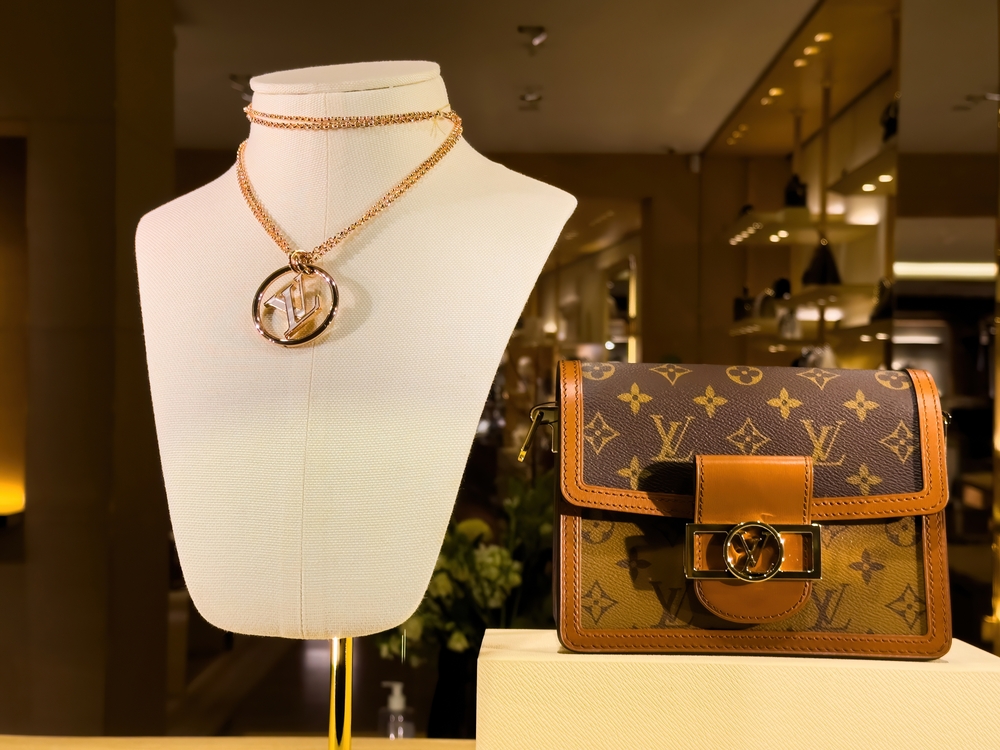
Louis Vuitton Alma authentication begins with the bag’s era, size, and material. The Alma’s arched top and structured base have stayed recognizable for decades, but authentic details have changed across vintage and modern production.
Our team specializes only in Louis Vuitton and reviews each submission through detailed photos. If you need help with a vintage LV Alma or a newer version, view our authentication services before preparing the image set.
Why Alma authentication depends on production era
The Alma has appeared in Monogram canvas, Damier patterns, Epi leather, Vernis, Empreinte, exotic materials, and seasonal finishes. Sizes and carry features also differ, including versions with removable shoulder straps and variations in feet, clochettes, keys, and interior organization.
Vintage details should not be judged against a current retail photo. Our resource on vintage Louis Vuitton explains why materials, fonts, hardware, linings, and identifiers need historical context.
What experts examine on an Alma bag
Dome shape and base structure
The Alma’s curved zipper line, reinforced base, side profile, and handle placement create a structured silhouette. We compare symmetry, height-to-width balance, corner construction, piping, base thickness, and how the bag stands when empty.
Wear can soften an older Alma or create rubbing at the bottom corners. That change may be normal, but the underlying panel shapes, seams, reinforcement, and attachment points still need to fit the model.
Material-specific details
A Monogram Alma requires comparison of coated canvas, motif scale, natural cowhide trim, and panel placement. An Epi or Vernis Alma follows different material rules, so surface texture, embossing, sheen, color behavior, and structure must be evaluated for that finish.
The same authentication shortcut cannot be used across canvas and leather materials. A convincing silhouette does not compensate for a surface or trim combination that does not belong on the claimed edition.
Handles, chapes, and stitching
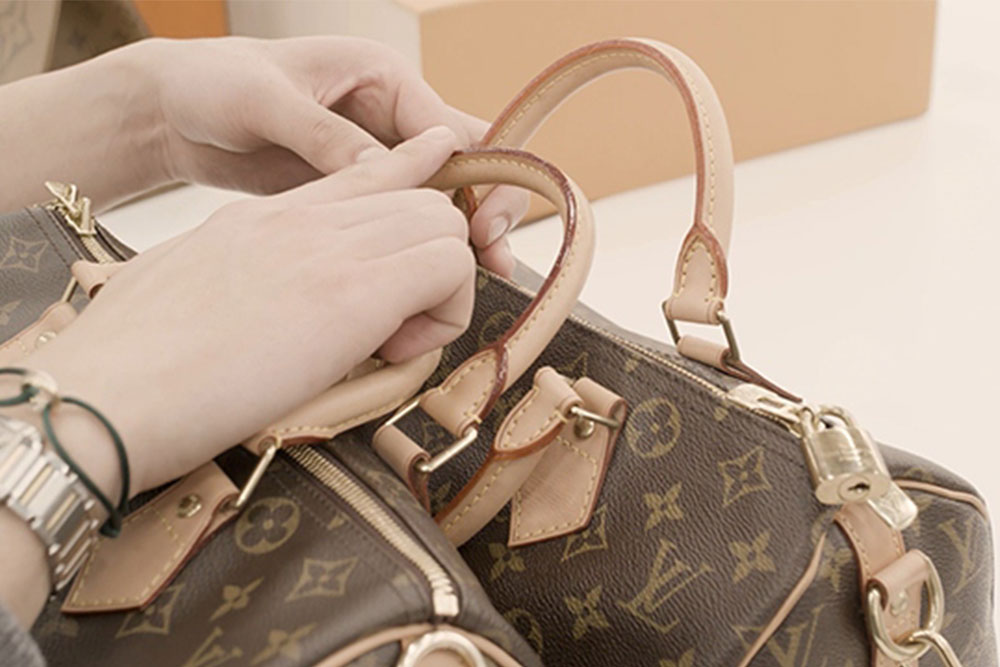
The Alma’s two handles, leather chapes, tabs, piping, and upper zipper panels carry useful construction information. We review their curves, thickness, stitch placement, edge coating, reinforcement, and how matching parts have aged.
On vintage examples, replaced handles or reglazed edges can complicate the assessment. Clear disclosure of known repairs helps us separate later work from original production details.
Zippers, padlock, keys, clochette, and feet
Hardware varies across Alma sizes, materials, and eras. We compare the double zipper, pull shapes, padlock, key set, clochette or key bell, rivets, feet, and engravings with the stated configuration.
Missing accessories do not automatically make the bag fake, and an authentic padlock does not authenticate the bag. Each component is reviewed on its own and then compared with the rest of the submission.
Interior, stamp, and production identifier
The lining material, pocket construction, seams, heat stamp, and identifier location can narrow the production context. Letter form, spacing, impression, and placement must be consistent with the item instead of merely looking neat.
Our date-code explanation shows why codes changed across eras and were never unique serial numbers. Some early pieces may not follow later date-code expectations, while newer examples may use embedded identification.
Identifying an Alma before authentication
The word Alma may be used loosely in resale listings, especially when a seller is uncertain about size or material. We begin with the bag’s proportions, base, zipper path, handles, and interior layout to confirm the model family. Measurements and photographs then help narrow the size and generation.
Material identification matters just as much as size. Coated canvas, Epi leather, Vernis, Empreinte, and special finishes respond differently to light, wear, pressure, and edge construction. The authentication reference must match the material shown rather than the color name provided by the seller.
Small differences can reflect a different size
Handle spacing, feet placement, base proportions, zipper length, and interior pocket scale can change across Alma sizes. An online comparison may look convincing until two different sizes are placed side by side. We use the full construction to confirm size instead of relying on one measurement taken from a soft or distorted bag.
Photos should show a ruler without covering the bag’s edges. Length, height, and depth are most useful when the bag is empty and placed on a flat surface. Those measurements support the review but do not replace material and construction checks.
Reading vintage Alma construction accurately
Vintage Alma bags may show hardware, zipper components, lining materials, and stamp styles that differ from current production. Some details that look unfamiliar to a buyer can be appropriate for an earlier period. The challenge is determining if those details belong together on the same bag rather than accepting every old-looking feature.
Counterfeit Alma bags have circulated for decades, so genuine age and counterfeit age can overlap. A replica made years ago may now have tarnished metal, softened material, stains, and a worn code. We look for consistent manufacturing evidence beneath the condition rather than assuming that long use proves origin.
Storage can alter an authentic bag
Heat, humidity, pressure, light, and long periods without use can change the Alma’s shape and surfaces. Vernis may develop color transfer or uneven tone, coated canvas can crease, and leather can dry or soften. These changes may affect condition and value while leaving the original construction available for review.
Storage wear does not always appear in the same places as carry wear. A compressed side or flattened handle may result from how the bag was packed, while rubbed corners usually come from contact during use. The distribution helps us understand the bag’s history without turning condition into an authenticity shortcut.
Evaluating repairs on a structured Alma
The Alma’s shape depends on its base, piping, zipper panels, handles, and side construction. Repairs to those areas can change the silhouette or remove original stitch work and glazing. Clear disclosure allows us to evaluate the remaining components without incorrectly assigning a later repair to the original production period.
We compare repaired and unrepaired areas for leather type, surface, color, edge finish, stitch spacing, and hardware attachment. Authorized repairs may use materials from a later period, while independent restoration can range from careful conservation to major reconstruction. The presence of a repair is not a verdict, but the scope can affect how much evidence remains.
Relining and interior work require extra photos
A replaced lining may remove a pocket, stamp, or identifier area that would normally support the review. If paperwork is available, include it for context and photograph the seams where the new lining meets the original bag. The exterior still needs to provide enough consistent checkpoints for a conclusion.
Interior cleaning can also lighten marks or change the surface without replacing the material. Wide interior views and close photos of corners, pockets, and transitions help separate cleaning from relining.
Buying a vintage Alma online
Ask the seller for the exact measurements, material, known age, repair history, and a complete set of current photos. The image set should include the base and feet, since listings often omit the areas with the most wear. Request the zippers open and closed so the curve and attachment can be seen without tension.
Do not rely on a lock number, dust bag, receipt, or the seller’s statement that the bag came from a relative. Those details may be honest, but they cannot establish authenticity. The Alma itself must show construction, materials, markings, and hardware that agree with the claimed period.
Compare the received bag with the listing
Save the listing photographs until the item arrives. Check that the handle wear, corner marks, hardware scratches, stamp, and accessories match the advertised bag. If a different item or accessory was substituted, photograph the package and item immediately before starting a return request.
Authentication should be completed while the return window is open whenever possible. A professional result is more useful when the buyer still has a practical way to act on it.
Separating authenticity from condition and value
An Alma can be authentic and still need costly work. Cracked canvas, sticky or peeling interior material, damaged zipper tracks, worn piping, and heavy color transfer can affect usability and resale value. Authentication answers the origin question; buyers should also evaluate condition, repair feasibility, and price.
The reverse is equally true. A well-preserved replica can look more polished than an authentic vintage Alma that has traveled for decades. Clean presentation, a firm base, or bright metal does not outweigh construction and production details that fail to match the model.
Ask for a separate condition assessment when damage or restoration will influence the purchase. Authentication can protect the origin decision, but it cannot tell a buyer if a zipper will need replacement soon or if interior deterioration can be repaired economically.
Consignment sellers should record repairs and missing accessories before creating the listing. That prevents a correct authenticity result from being presented as confirmation that the bag is untouched, complete, or ready for immediate use.
Photos to send for a vintage or modern Alma
Follow our photo guidelines and take original images in clear, neutral light. Include the full front, back, both sides, base, corners, open interior, pocket, heat stamp, identifier area, both zipper tracks and pulls, handles, chapes, piping, feet, padlock, keys, clochette, stitching, and engravings.
If the bag has been repaired, add close images of the repaired area and any paperwork that identifies who completed the work. We may ask for another angle when a replacement affects an authentication checkpoint.
Vintage wear is not proof
Older Alma bags may show dark patina, water marks, cracks near folds, tarnished metal, softened structure, lining wear, or odor from storage. Those signs can be genuine age, poor storage, restoration, or artificial distressing, so they do not create a verdict.
Counterfeiters also reproduce date codes and vintage-looking stamps. A professional comparison checks if age appears consistently across materials and components rather than accepting a single worn detail as evidence.
Buying or selling an Alma with repairs
Ask for a written repair history when an Alma has newer handles, fresh glazing, a replaced zipper, or a relined interior. Louis Vuitton repair work and third-party restoration can affect different checkpoints, so the source and scope of the work should be stated accurately in a resale listing.
Photograph repaired and unrepaired areas side by side whenever possible. That comparison helps us see which materials and construction remain original, and it reduces the chance that a later component is evaluated as part of the bag’s original production.
Get an Alma authentication before buying or listing
The Alma’s long history makes it especially easy to compare the wrong examples online. Choose an option on our Services & Pricing page and let our team evaluate the exact bag, material, and era shown in your photos.
Can an authentic vintage Alma lack a date code?
Yes, identifier expectations depend on the period, and some early Louis Vuitton items do not follow later date-code formats. Experts use construction, materials, stamps, hardware, and historical consistency to reach a conclusion.
Does a missing clochette mean the Alma is fake?
No, removable accessories are often lost or separated from pre-owned bags. The missing piece may affect completeness or resale value, but it does not establish the authenticity of the bag.
Is Alma authentication similar to Speedy authentication?
Both models require material, hardware, stamp, and era checks, but their construction is different. Our Speedy authentication post explains the checkpoints for its softer travel-inspired shape.
Louis Vuitton Authentication made easy!
You are unsure if you are looking at an authentic or fake LV? We offer the quickest and the most accurate way to get it authenticated for your peace of mind.
Authenticate Now