Reverse Monogram authentication requires more than recognizing a darker or lighter version of the classic Louis Vuitton pattern. Canvas color, motif scale, surface, placement, model construction, trim, hardware, lining, stamps, and production context must all agree.
ProAuthenticators authenticates Louis Vuitton only, including newer models and microchipped items. If you need to check an LV Reverse canvas bag, select from our authentication services and submit complete, unfiltered photos.
Reverse Monogram is model-specific
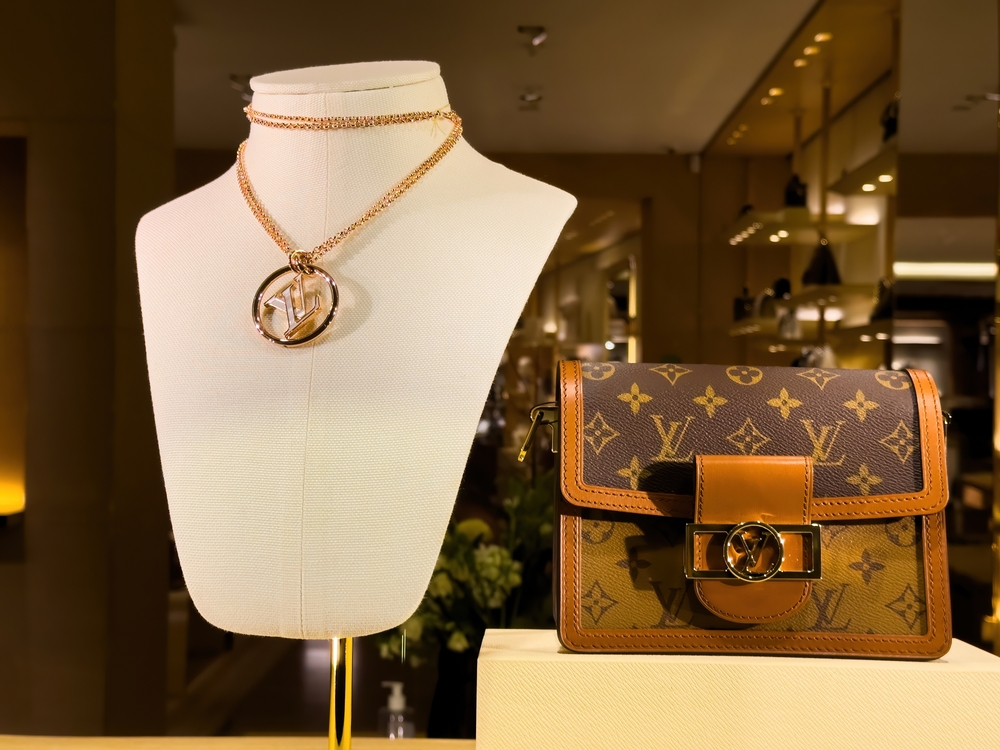
Reverse Monogram has appeared on models such as the Pochette Metis, OnTheGo, Dauphine, and other bags or accessories, sometimes combined with standard Monogram or Giant Monogram. Pattern scale, panel placement, leather trim, lining, and hardware depend on the exact item.
A correct color combination on one model does not create a rule for another. We begin with the bag’s model, size, material combination, approximate era, and included components.
What experts examine on Reverse Monogram
Canvas color and surface
We compare the base color, motif color, contrast, print edges, surface texture, sheen, and how the canvas responds at folds and seams. Photographs can shift warm browns and tans dramatically, so neutral light and multiple angles are essential.
Filters may make counterfeit canvas look closer to reference photos or make authentic canvas look incorrect. Original files preserve surface and color information that screenshots often lose.
Motif scale and placement
We review the size, spacing, orientation, and flow of LV initials and Monogram Flowers across each panel. Our monogram alignment page explains why pattern placement should be compared with the item’s seams, gussets, flap, and construction.
Reverse and Giant patterns can make partial motifs more noticeable, but a cropped symbol does not create a verdict. Experts ask if the complete placement matches the stated model and size.
Combination with standard Monogram
Some items intentionally use standard Monogram on one panel and Reverse Monogram on another. We compare the transition, motif scale, panel shape, seam placement, color relationship, and design orientation.
Counterfeiters may know the two canvases belong together while misplacing them or using the wrong scale. Full front, back, side, and base photos are needed to show the complete arrangement.
Trim, stitching, hardware, and lining
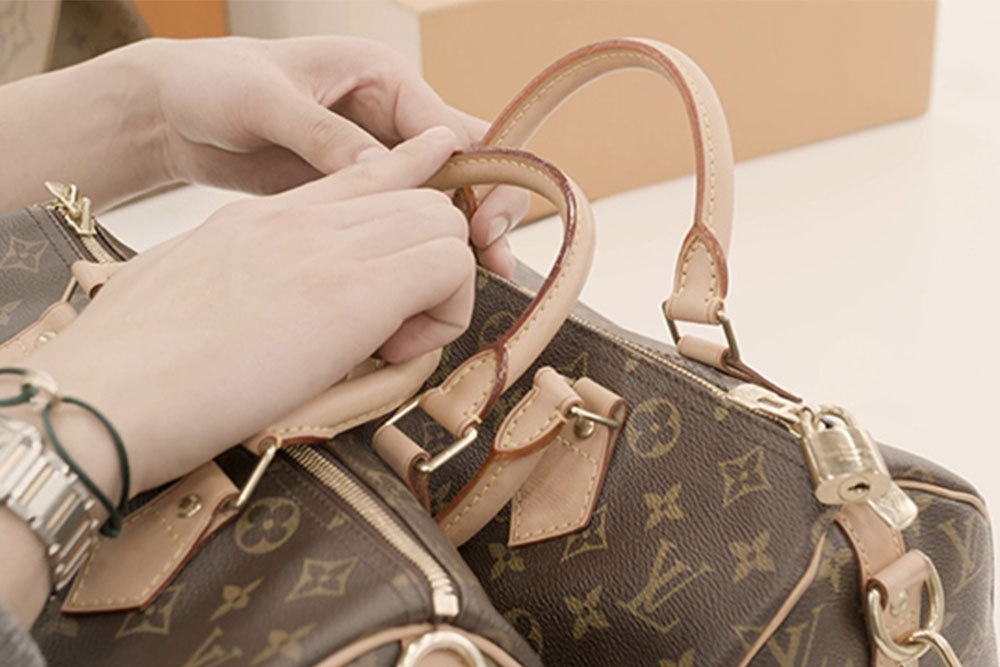
Leather trim, glazing, thread, stitch placement, handles, straps, tabs, locks, zippers, rings, and lining should match the model and colorway. We review engravings and attachments rather than judging hardware from gold color alone.
The heat stamp, country information, pocket layout, and identifier area also need to fit the production period. A convincing exterior cannot correct an incorrect interior.
Date-code and microchip context
Some Reverse Monogram models span the shift from visible date-code practices to embedded identification. Our microchip authentication page explains why a consumer phone scan does not replace authentication.
We still request the usual identifier area and review the physical bag completely. A code or scan only has value when construction and all other details support it.
Model examples
The Pochette Metis combines Reverse Monogram with a structured flap, S-lock, compartments, top handle, and removable strap. Our Pochette Metis authentication post covers those checkpoints.
The OnTheGo may use Giant Monogram and Reverse Monogram across different tote panels with two handle lengths. Our OnTheGo authentication post explains that model’s size and construction differences.
Photos to submit
Follow our Photo Guidelines and photograph the item in neutral diffused light. Include the full front, back, sides, base, interior, heat stamp, identifier area, every canvas panel, pattern transitions, seams, trim, glazing, stitching, handles or strap, zipper, locks, hardware, and engravings.
Take at least one straight-on image for placement and one angled image for surface. Do not use color filters, automatic enhancement, or screenshots from a listing when original files are available.
Common Reverse Monogram mistakes
Buyers often expect the color to match a screen image exactly. Device displays, white balance, indoor light, and editing can all change the comparison, so color should be assessed with surface, print, and construction.
Another mistake is treating a phone scan as proof for a newer item. Counterfeiters can copy digital-looking evidence, while the physical bag still needs a complete professional review.
Buying Reverse Monogram online
Ask for unedited photos of every canvas panel, especially areas where standard and Reverse Monogram meet. The seller should also show the interior, stamp, identifier area, hardware, handles or strap, and all repaired surfaces.
Save the listing before payment and compare color under neutral light when the item arrives. A screen difference may be harmless, but a different motif scale, panel arrangement, or component requires closer review.
For sellers, name the exact material combination instead of calling every brown motif “Monogram.” Show each transition between standard and Reverse canvas, and disclose repairs or replacement straps so buyers can compare the configuration shown with the item they receive.
Reverse Monogram begins with a model map
Reverse Monogram changes the familiar color relationship of Louis Vuitton’s classic canvas, but it is not a free-form print used identically on every product. We identify the exact model, size, panel arrangement, and release before evaluating motif scale or placement. A valid comparison must show where Reverse canvas, standard Monogram, leather trim, pockets, flaps, and gussets belong on that configuration.
This is especially important on designs that combine more than one canvas. A counterfeit may reproduce each print separately yet connect them in the wrong location or proportion. Full front, back, side, base, and interior views reveal the intended composition far better than a close photograph of one LV initial.
Color relationships matter more than a screen swatch
The darker ground and lighter motif can shift in photographs depending on exposure, white balance, flash, and screen settings. We compare the relationship between colors, the warmth or neutrality of the print, the coated finish, and the appearance across exposed and protected sections. One image that seems too warm or too gray is not enough for a conclusion.
Filters can exaggerate contrast until the motif looks unusually sharp or remove the surface texture entirely. Ask for original images in neutral diffused light and include a plain white or gray reference beside one full view. Authentication still relies on construction, but accurate color helps prevent editing artifacts from being mistaken for material differences.
Motif scale should fit each panel
LV initials and flowers should be evaluated for shape, spacing, scale, and their placement within the pattern repeat. We follow the motif through flaps, seams, pockets, curves, and hardware interruptions, allowing for the way a three-dimensional panel is cut. The expected result depends on the model rather than a universal claim that every symbol must remain perfectly centered.
Counterfeit production often concentrates on the central front panel because that is the view most buyers study. Side gussets, bases, narrow tabs, and areas beneath handles may reveal a different scale or careless transition. A complete pattern map shows if the design was planned as one item or assembled from visually similar pieces.
Combined canvases must transition deliberately
Models such as the Reverse Monogram Pochette Metis may place classic and Reverse canvas in a specific relationship. We compare where the change occurs, which motifs appear near the boundary, how seams are finished, and how the color blocks balance across the body. A genuine-looking standard Monogram section cannot correct an inaccurate Reverse section, or the opposite.
Photograph each canvas under the same light so the difference is not created by exposure. Include the seam or folded edge where they meet and show the surrounding hardware or leather placement. This lets us review the transition as part of the construction rather than as two isolated material samples.
Coated canvas needs surface evidence
Reverse Monogram is coated canvas, so grain, flexibility, sheen, folds, and edge behavior must be compatible with the item’s design and condition. A smooth or glossy appearance can result from harsh light, while wear can polish high-contact areas. We compare several locations before deciding if the surface itself is inconsistent.
Cleaning products, protective coatings, or heat may change the finish and should be disclosed. Do not condition the canvas as if it were untreated leather and avoid cleaning immediately before photographs. Side light can reveal the physical grain, while a neutral full view records the actual overall appearance.
Trim and glazing frame the canvas construction
Leather tabs, handles, straps, piping, and painted edges should fit the model in material, cut, proportion, and attachment. We examine stitch placement, thread, edge coating, reinforcement, and how the trim intersects with the printed panels. Replaced straps or reglazed edges can alter condition without automatically deciding the authenticity of the main item.
Show repaired areas alongside an unaffected section and state which components were changed. A replacement that looks newer than the body may be easy to notice, but subtle recoloring can hide wear and original finish. Transparent repair history prevents later work from being evaluated as factory construction.
Hardware should agree with the specific release
Clasps, S-locks, zipper pulls, rings, hooks, chains, rivets, and feet vary across Reverse Monogram models. We compare their shape, scale, finish, engraving, function, and attachment with the surrounding panels. Prominent hardware may be copied accurately on the front while screws, back plates, or interior fittings remain incorrect.
Photograph reflective pieces in diffused light from several directions. Surface scratches and plating wear can be normal, while a recently replaced component can remain bright. Hardware is most useful when it is assessed as a connected system rather than when one engraving is treated as final proof.
Microchip-era context does not replace examination
Many Reverse Monogram items were produced during Louis Vuitton’s transition from visible date codes to embedded identifiers. The absence of a date code on a recent piece can be normal, and a phone scan cannot provide the private Louis Vuitton production data used in stores. A detected NFC response is therefore not an authenticity certificate.
We still examine the canvas, construction, hardware, lining, stamps, and model details visible in the submission. If the item should have a date code for its stated period, its format and placement are checked as supporting context. Era must be established before the presence or absence of any identifier is interpreted.
Compare the delivered bag with the listing
Reverse Monogram’s recognizable front makes stolen or substituted photos particularly risky in online sales. Save the seller’s original image set and ask for a fresh photograph that includes a handwritten date or another agreed reference. That does not authenticate the item, but it helps confirm the seller has access to the piece shown.
After delivery, photograph the item before wearing, cleaning, or removing protective material. Compare motif placement, hardware scratches, stamps, accessories, and condition with the saved listing. If the received bag differs, authentication can assess the new item while the record supports a separate transaction claim.
Build a submission that shows relationships
Start with complete views and then photograph both canvas types, every transition, side and base patterns, trim, glazing, stitching, hardware, lining, stamps, and identifier areas. Include the strap, pouch, chain, tag, or other removable component separately. Close-ups should be paired with wider views so the location of each detail remains clear.
For pre-purchase authentication, request these images before payment and leave enough time for additional photos if needed. A polished listing may contain dozens of photographs but still omit the back of a clasp or an interior stamp. Useful evidence is defined by coverage, not by image count.
Submit a Reverse Monogram item
Reverse canvas is visually familiar, but model-specific placement and newer production details make online shortcuts unreliable. Choose the needed option on our Services & Pricing page and send the complete bag in original images.
Is Reverse Monogram a different material from Monogram canvas?
It is a coated-canvas treatment with reversed color emphasis, but exact scale and combinations vary by model. Authentication still depends on the complete item’s construction and details.
Can a real bag combine standard and Reverse Monogram?
Yes, certain models intentionally use both. The panel arrangement, scale, colors, trim, lining, and hardware must match the stated version.
Does a microchip confirm Reverse Monogram authenticity?
No, embedded identification is only part of production context. The physical item must still pass material, construction, stamp, hardware, and model comparisons.
Louis Vuitton Authentication made easy!
You are unsure if you are looking at an authentic or fake LV? We offer the quickest and the most accurate way to get it authenticated for your peace of mind.
Authenticate Now