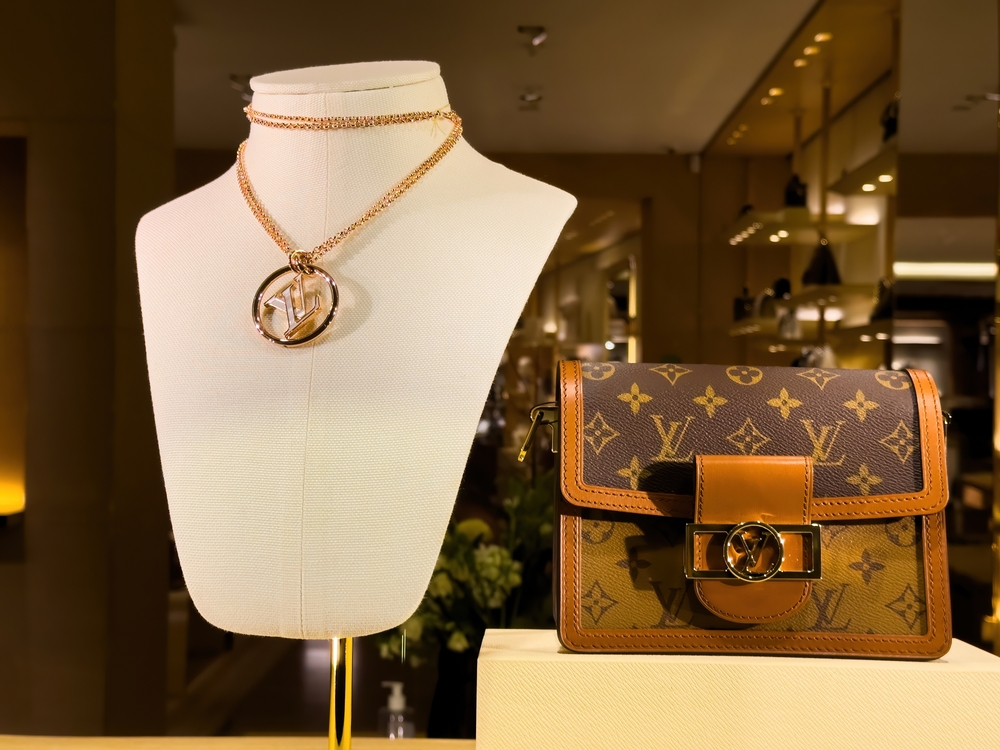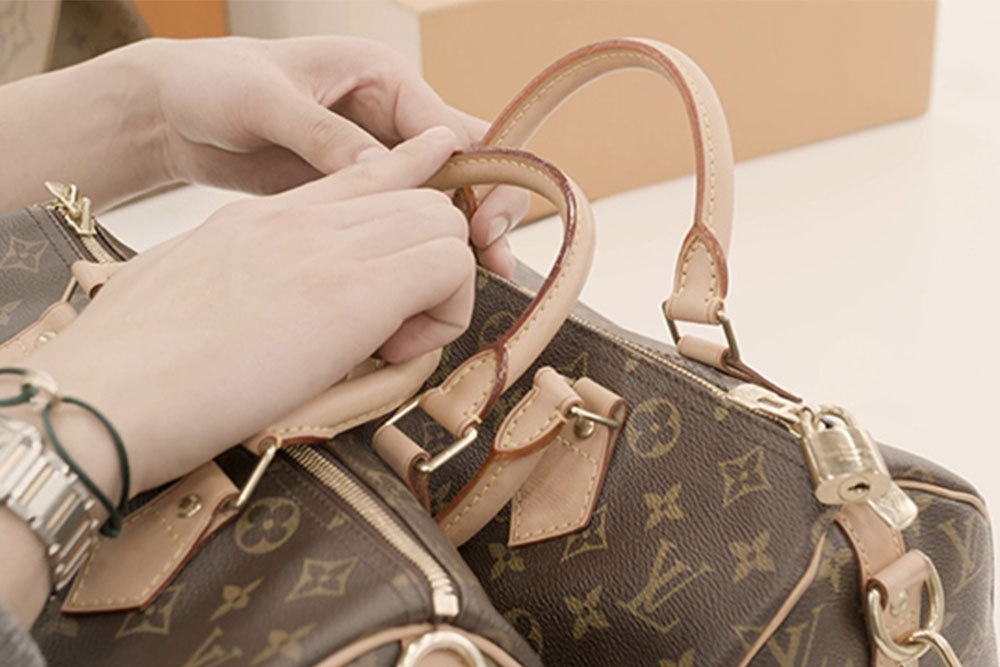
Louis Vuitton Vernis authentication requires a complete review of glossy leather, embossed Monogram, color, structure, glazing, stitching, hardware, lining, stamps, and production context. Shine alone cannot establish authenticity because patent-like counterfeit materials can imitate the surface from a distance.
ProAuthenticators focuses only on Louis Vuitton and reviews Vernis bags and accessories through photos. If you need a professional verdict, choose from our authentication options and take images that control glare without changing the true color.
Vernis condition can be dramatic
Vernis surfaces can show fingerprints, scratches, color transfer, fading, yellowing, cloudiness, stickiness, or changes caused by storage and contact. Those issues can affect value and appearance, but they do not create an authenticity verdict.
Older colors may look different from archived or current images because of condition and photography. We compare protected and exposed areas while focusing on the item’s original construction.
What experts examine on Vernis items
Embossed Monogram pattern
We review motif scale, shape, spacing, depth, edge definition, placement, and the way embossing interacts with the glossy surface. Curves and seams affect how motifs appear, so the pattern should be interpreted through the exact model.
Deep embossing is not automatically authentic. The motif must match the material, panels, dimensions, structure, and era instead of acting as an isolated test.
Gloss, color, and leather surface
We compare surface smoothness, shine, coating, color, texture, and how light moves across the material. Side lighting can show ripples, coating, or texture that a direct flash hides.
Our canvas and leather comparison explains why Vernis should be reviewed as coated leather rather than Monogram canvas. Trim, backing, folds, and cut edges add context beyond the glossy face.
Shape and panel construction
Vernis has appeared on Almas, wallets, pouches, and other models with different levels of structure. We compare dimensions, curves, gussets, base, corners, pockets, reinforcement, and how the material is supported.
Heat or poor storage can deform an authentic item. Damage may limit visual comparison, but the remaining panel and seam construction can still provide useful evidence.
Glazing, stitching, and trim
Edge coating, seam finishing, thread, stitch placement, piping, handles, tabs, and straps need to fit the model and colorway. Color transfer or cracking near edges is common condition evidence and should be photographed rather than hidden.
Repairs or recoloring can alter important checkpoints. Disclose known restoration so the review can separate later work from original production.
Hardware, lining, stamp, and identifier
We inspect zippers, pulls, locks, rings, snaps, feet, engravings, interior material, pockets, heat stamp, country information, and production identifier. Finish color can look different because Vernis reflects light, so hardware shape and construction remain essential.
Our vintage LV authentication page provides context for older Vernis items whose hardware, colors, linings, or codes differ from current production. Historical comparison prevents a legitimate earlier detail from being judged against a newer standard.
Vernis model example: the Alma
The structured Alma places glossy embossed leather across broad curved panels, with handles, double zippers, feet, and a reinforced base. Our Alma authentication post explains how those model details must support the Vernis material.
A correct-looking Vernis surface cannot make an incorrectly shaped Alma authentic. Material and model comparison always work together.
Photos to submit
Follow our Photo Guidelines and take photos in soft diffused light. Include the full front, back, sides, base, interior, heat stamp, identifier area, embossed pattern, protected and worn surfaces, glazing, stitching, handles or strap, zipper, hardware, engravings, lining, color-transfer areas, and repairs.
Avoid direct flash, color filters, and aggressive exposure correction. Add one angled image to show gloss and one straight-on image to preserve motif shape.
Packaging cannot explain Vernis color
A box or dust bag may reduce exposure during storage, but packaging does not prove authenticity or establish the original color. Our packaging authenticity post explains why removable materials cannot replace item evidence.
If a seller claims a color changed, request photos inside folds or pockets where the surface may be better protected. That comparison can provide condition context without deciding authenticity by itself.
Buying Vernis from a resale listing
Ask the seller to photograph the item in neutral light and disclose stickiness, odor, color transfer, peeling, cracks, and refinishing. Dark or highly saturated photos can hide condition that materially affects value.
Save the listing and inspect the item promptly after delivery. Vernis condition can worsen in unsuitable storage, and a return decision should be made before the marketplace deadline passes.
For sellers, show protected color beneath flaps or inside folds beside the exposed exterior. State if the surface has been recolored, polished, treated for stickiness, or stored against dark material, because those details help explain differences without using condition as an authenticity claim.
Identify the model beneath the shine
Monogram Vernis can be visually dramatic, which makes it easy to focus on gloss and color while overlooking construction. We first identify the model, size, opening, panel shapes, pockets, handles or straps, hardware, and likely production period. The patent leather must then fit that framework rather than becoming the only reason the item appears convincing.
Measurements are valuable because reflections can distort edges and make a small model look larger or more structured than it is. Photograph the front, back, sides, and base from straight angles before taking close-ups. Once the silhouette is clear, the embossed motif and surface can be interpreted in the correct physical context.
Gloss should reveal the surface, not hide it
Vernis has a high-shine finish, but authentic appearance is not simply the brightest possible reflection. We examine how light moves across flat panels, curves, folds, embossing, and worn sections. A counterfeit surface may look glassy in one view while revealing uneven coating, orange-peel texture, or flat plastic character from another angle.
Use a large diffused light source and change the angle gradually. Direct flash often produces a white hotspot that erases grain, embossing, scratches, and color. Several controlled photographs give a more accurate record than one glossy promotional image.
The embossed pattern must interact with coated leather
We compare the LV initials and flowers for scale, shape, spacing, depth, edge definition, and placement across the model’s panels. The motif should respond naturally to the patent finish and underlying leather rather than appear printed, cut, or mechanically identical in every area. Curves and seams can change its apparent depth, so multiple locations are necessary.
Wear may soften raised edges or create small cracks around heavily flexed sections. That condition should be evaluated against protected areas and the bag’s overall history. A sharp motif on one sheltered panel and softer embossing near a handle can be reasonable, while inconsistent pattern geometry across connected panels requires closer comparison.
Color transfer and yellowing are ownership issues
Light Vernis colors can absorb dye from dark fabrics, printed paper, or nearby items during storage. Clear finishes can also yellow, and color may shift through light, heat, or age. These changes can be severe without showing who originally made the item, so condition should never be used as a simple authenticity test.
Document transfer in neutral light and show the boundary between affected and unaffected sections. Do not attempt stain removal before authentication because solvents or abrasive cleaning may cloud the coating and remove evidence. For resale, describe transfer precisely and photograph it honestly since it can materially affect value.
Stickiness, clouding, and cracking need separate descriptions
Owners often group every surface problem under the word sticky, but the cause and appearance may differ. A Vernis item can show tackiness, haze, peeling, cracking, imprint transfer, or residue from cleaning and storage. We record the condition while still examining the embossing, seams, edges, hardware, and interior for manufacturing evidence.
Avoid pressing tissue or fabric onto a tacky surface because it may adhere and create more damage. Photograph the item on a clean, non-transfer surface and note where the issue is strongest. If professional restoration was attempted, provide that history so altered areas are not mistaken for original finish.
Panel edges show how the patent leather was assembled
Glazing, piping, folded edges, seams, and reinforced attachments reveal construction that reflection can obscure from the front. We compare edge thickness, color, transitions, stitch placement, thread, and the way layers meet at corners. Counterfeit production may reproduce the glossy panel while finishing these less visible boundaries incorrectly.
Reglazing or repair can cover original edge work, particularly on older Alma bags and small leather goods. Include close views of intact and restored areas and state what was serviced. The remaining original parts must still provide a coherent basis for review.
Hardware tone changes in reflective photographs
Gold-tone hardware can pick up the color of the bag, room, phone, or photographer, making finish difficult to judge. We use shape, casting, engraving, attachment, scale, and function alongside tone. Front and back views of zipper pulls, rings, clasps, rivets, locks, keys, and feet help reveal details hidden by glare.
Scratches and plating wear are normal condition possibilities, while unusually fresh hardware may indicate replacement or limited use. Neither conclusion should be assumed from shine alone. If a lock, key, strap, or charm is included, photograph it separately because removable pieces can be mixed with an authentic bag.
Interior details anchor the model and era
Vernis exteriors attract attention, but the lining, pocket layout, seams, stamps, and identifiers often clarify which version is being reviewed. We compare those elements with the exterior color, hardware configuration, and production context. A generic interior is a serious conflict even if the embossed patent leather looks appealing.
Lining wear may include stains, peeling, or impressions from stored objects. Condition remains separate from authenticity, but it should be shown clearly. If the interior was replaced or repaired, identify the work because original stamps or identifier areas may have been removed.
Packaging can worsen Vernis storage damage
An original box or dust bag does not prove authenticity, and tight storage can contribute to color transfer or surface contact. Vernis should not be pressed against printed material, dark textiles, or another patent item for long periods. When a set has been stored together, the pattern of contact may help explain condition without authenticating the contents.
Photograph packaging only after documenting the item itself. If a dust bag left an imprint or a receipt transferred ink, show that area and note the storage history. The presentation supports provenance at most, while the bag or accessory must provide the manufacturing evidence.
Submit photographs before cleaning or restoration
Start with unedited full views, then add angled surface images, several embossing areas, panel edges, stitching, glazing, hardware, interior, stamps, identifiers, and all damage. Use neutral light for color and diffused side light for texture. If the item is sticky or fragile, handle it as little as possible and describe any view that cannot be obtained safely.
For a resale purchase, arrange authentication while the return window remains active. Save the listing and compare the received color, accessories, markings, and condition before applying products. A clear initial record protects both the authentication process and any separate claim that the item arrived differently from its description.
Submit a Vernis item for review
Vernis can change visibly with age and storage, which makes clear, neutral photos especially valuable. Choose the needed service on our Services & Pricing page and show every altered area as well as the complete item.
Can authentic Vernis leather become sticky?
Yes, coating condition can change because of storage, heat, humidity, contact, or aging. Stickiness is a condition issue and does not prove authenticity.
Does color transfer mean the item is fake?
No, glossy light-colored surfaces can pick up color from contact with other materials. Experts still need to review the embossed pattern, structure, trim, hardware, stamps, and interior.
Can a recolored Vernis item be authenticated?
Recoloring may hide or alter useful surface details and can limit evaluation. Send clear photos before paying so the team can determine if enough original evidence remains.
Louis Vuitton Authentication made easy!
You are unsure if you are looking at an authentic or fake LV? We offer the quickest and the most accurate way to get it authenticated for your peace of mind.
Authenticate Now