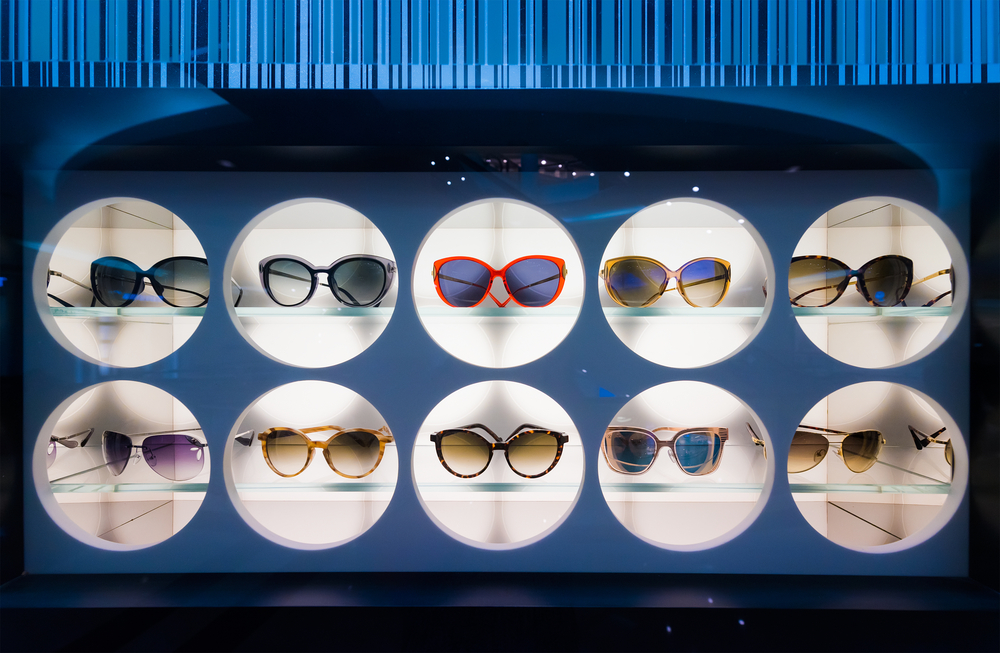
Louis Vuitton sunglasses authentication relies on the complete eyewear design, not the case, box, or a logo on the temple. Frame shape, lenses, hinges, hardware, model markings, construction, and production details must fit the same Louis Vuitton release.
Our team authenticates Louis Vuitton accessories as well as handbags and small leather goods. Review our authentication services if you need an expert opinion before purchasing or reselling a pair.
Identify the sunglasses model and configuration
Louis Vuitton has produced sunglasses in different frame materials, lens colors, silhouettes, collections, and decorative treatments. A model may also appear in several colorways, so color alone does not identify the exact reference.
Authentication begins by comparing the overall frame and markings with a compatible model. Mixing details from a similar pair can create an incorrect conclusion, especially when temple shape or hardware changed between collections.
What experts examine on LV sunglasses
Frame proportions and finish
We compare the front width, lens shape, bridge, rim thickness, temple angle, end pieces, and how the frames sit when open and closed. The frame material should show the expected surface, color, translucency, polish, and finishing around edges.
A replica may reproduce a recognizable oversized or cat-eye shape while missing subtle proportions. Straight-on front, top, side, and folded views reveal balance that a face photo cannot show.
Lenses and logo placement
Lens tint, gradient, edge fit, curvature, surface markings, and visible logo placement need to match the model. Scratches or replaced prescription lenses can change the appearance of authentic frames, so condition and replacement history should be disclosed.
An etched logo is not proof because it can be copied or added. We compare its size, placement, form, and relationship to the lenses and frame design.
Hinges and decorative hardware
Hinges, screws, end pieces, temple ornaments, and logo hardware contain useful construction details. We inspect shape, finish, alignment, movement, engraving, attachment, and symmetry between both sides.
Our page about Louis Vuitton hardware explains why metal color can be misleading in photographs. Close images of the hinge from outside, inside, above, and below are more useful than a single polished side view.
Temple markings and typography
The inner temples may carry the brand, model or product reference, color information, dimensions, country information, and regulatory markings. The expected content varies, so we review wording, order, letter form, spacing, depth, print method, and placement.
Counterfeit pairs can copy a real reference number. That number still needs to match the frame shape, hardware, lens treatment, and colorway shown in the photos.
Nose pads, tips, and small components
Depending on the model, we review integrated or separate nose pads, pad arms, screws, temple tips, inserts, and decorative pieces. Small parts should fit the frame’s design and show compatible finishing.
Repairs may replace screws, nose pads, or lenses with non-original components. Those changes do not always prevent evaluation, but clear disclosure helps us distinguish service work from production details.
Cases and packaging do not authenticate eyewear
Cases, cloths, boxes, booklets, and receipts are removable and can be paired with a different item. Our guide to Louis Vuitton authenticity myths explains why accessories must be authenticated on their own evidence.
Include packaging photos only as context after photographing the sunglasses completely. A correct case cannot correct a frame, hinge, or marking that does not belong to the stated model.
Photos needed for sunglasses authentication
Follow our Photo Guidelines and clean the lenses gently before taking photos if debris blocks details. Include the full front, back, top, underside, both outer temples, both inner temples, frame corners, bridge, lenses, hinges from several angles, nose area, temple tips, logos, all printed or engraved markings, and any damage or replaced parts.
Place the sunglasses on a plain surface in diffused light to reduce glare. Avoid filters, dark backgrounds, and holding them by a temple that covers the printed reference.
Why Louis Vuitton specialization matters
Eyewear combines fashion design with small technical components, and details change across collections. Our About Us page explains that our team focuses only on Louis Vuitton and studies the brand from vintage through current items.
That focus allows the review to consider the pair as a specific Louis Vuitton model instead of judging it through general luxury-eyewear rules. You can also read how our authentication process uses multiple checkpoints for a conclusion.
Buying pre-owned sunglasses
Request a clear image of each inner temple before paying, even if the listing includes a receipt and case. Ask about prescription lenses, replaced screws, frame adjustments, and repairs, since those changes can remove or alter original details.
Save the product description and confirm that the seller’s reference matches the frame and colorway shown. A broad title such as “LV sunglasses” is not enough for a precise comparison.
Reference numbers are a starting point, not a verdict
Model information printed on a temple can help identify the frame, but it must correspond to the sunglasses in front of us. The lens shape, bridge, temple design, hinge hardware, colorway, and dimensions should all agree with the reference. A copied number paired with the wrong frame is a common reason that number-only checks fail.
Markings also change in content and presentation across markets, collections, and production periods. We evaluate what is present without assuming every pair should follow one template. The strongest identification comes from matching the complete configuration, including details that are less visible when the sunglasses are being worn.
Symmetry reveals more than a front logo
Eyewear is engineered to sit evenly, so corresponding components should relate correctly from one side to the other. We compare temple length and angle, hinge placement, lens seating, decorative elements, and the way both arms fold. Minor adjustment from wear is normal, but construction that begins unevenly can create a different pattern.
A straight overhead photo and a view from the top help us assess symmetry without judging fit on a person’s face. Portrait photos introduce head angle, hair, and perspective, which can make authentic frames look distorted. They are useful for styling, but they are rarely useful for authentication.
Frame material and finishing must match the design
Acetate, metal, and combined frames each show different edges, joins, thicknesses, and surface behavior. We inspect polish, translucency where relevant, transitions around the lenses, bridge finishing, and how decorative pieces meet the frame. A counterfeit may capture the silhouette while using a material that looks flat, rough, or incorrectly layered in close photographs.
Condition should be read across protected and exposed areas. Temple tips and bridge contact points may show wear before the upper rim, while storage damage can affect one side more than the other. Consistent aging supports a coherent history, but wear by itself cannot establish who made the frames.
Lenses can be original, replaced, or altered
Prescription conversion, damage, or personal preference can lead an owner to replace lenses in authentic frames. Replacement lenses may remove an original logo, change tint, or fit slightly differently, which affects completeness and value. They do not automatically determine whether the frame itself is authentic.
Disclose lens replacement and photograph the rim where the lens meets the frame. If the lenses are believed to be original, provide clear views of tint, gradient, surface marks, curvature, and edge fit. Avoid using polarized-screen tricks or improvised tests as a substitute for evaluating the whole pair.
Hinges and screws should be viewed from several directions
Hinge architecture is difficult to understand from one exterior close-up. We need to see how the hinge sits within or against the frame, how its parts align when open, and how screws, pins, or decorative caps are finished. Movement should be smooth enough for ordinary use, but stiffness or looseness can also result from wear or service.
Repairs often involve tiny components that are easy to replace with generic parts. A non-original screw or nose pad may be a practical service choice, while a replaced temple can change far more of the authentication evidence. The repair history helps us decide which details still represent the original frame.
How to photograph glossy and reflective surfaces
Direct flash can erase temple printing and turn dark lenses into mirrors. Use bright, diffused light and move the sunglasses or light source slightly until engraving and printed details appear without glare. A plain light or mid-tone background usually provides enough contrast without casting strong color onto the frame.
Take one complete set with the temples open and another with them folded. Support the pair gently so both inner temples can be read, and photograph each marking separately in focus. If one image captures the text but changes the perceived frame color, add a neutral full view that documents the actual colorway.
Packaging and accessories must remain secondary
A well-made case can increase confidence emotionally because it makes the set feel complete. It can also be purchased separately, reused from another pair, or copied. Cloths, boxes, booklets, and receipts should therefore be treated as context rather than as substitutes for frame evidence.
Photograph those pieces only after the sunglasses themselves have been documented. If a receipt is submitted, hide personal payment information while keeping relevant product details visible. Even then, the item must match the description and reference on the document for it to have any supporting value.
Buying sunglasses online without handling them
Ask for unfiltered photos of the full front, top, both sides, inner temples, hinges, bridge, lens marks, and any damage. Confirm whether lenses, nose pads, screws, temples, or decorative pieces were replaced. A seller who provides only worn-on photos has not shown enough evidence for a careful pre-purchase review.
When the pair arrives, check that the received markings and colorway match the listing before the return period closes. Photograph the unpacking condition if the frames are bent or a component is loose. Authentication and condition are separate, but both can affect whether keeping the purchase makes sense.
What an expert sunglasses review provides
Louis Vuitton sunglasses combine fashion details with precision components, and the result must be coherent at both scales. A professional review compares the design identity, construction, markings, hardware, and repair history rather than rewarding one convincing logo. This model-specific approach is especially valuable when several similar colorways or frame shapes exist.
The quality of the conclusion depends on the quality of the evidence. If glare hides markings or the hinges cannot be seen, more images may be required. Submitting an organized set from the beginning keeps the review focused and gives you a result that is easier to use in a purchase, sale, or consignment decision.
Submit sunglasses for professional review
Ask a resale seller for both inner-temple markings and close hinge photos before purchasing. Then select the needed option on our Services & Pricing page and submit clear images before the return period expires.
Does a valid-looking model number prove the sunglasses are real?
No, reference numbers can be copied from authentic pairs. The number must match the frame, colorway, lenses, hardware, and markings shown.
Can replaced lenses affect authentication?
Yes, replacement lenses remove original checkpoints and can introduce non-Louis Vuitton details. The frames may still be reviewable if enough original construction and markings remain visible.
Should I send the case and receipt?
You may include them for context, but they do not replace complete sunglasses photos. The frame, lenses, hinges, temples, and markings must support the verdict.
Louis Vuitton Authentication made easy!
You are unsure if you are looking at an authentic or fake LV? We offer the quickest and the most accurate way to get it authenticated for your peace of mind.
Authenticate Now